Creating connections among early childhood research, practice and policy — and how each can enhance the lives of young children and their families — provided the central theme of the 2026 CYFS Early Childhood Research Summit .
Almost 200 attendees, including researchers from across the University of Nebraska system, practitioners, administrators, community partners and policymakers, gathered April 28 at Nebraska Innovation Campus for the daylong, seventh biennial summit, which highlighted the latest research to advance early childhood education and development, and implications for practice and policy.
“Connections among researchers, practitioners and policymakers have never been more important,” said Sue Sheridan, CYFS director, as she welcome attendees. “In today’s ever-changing world, it’s vital to turn ideas into action, and to ensure our work supports meaningful change in communities throughout Nebraska. The summit is a key component that is important in forging and strengthening those collaborations, forming those ideas and generating action.”
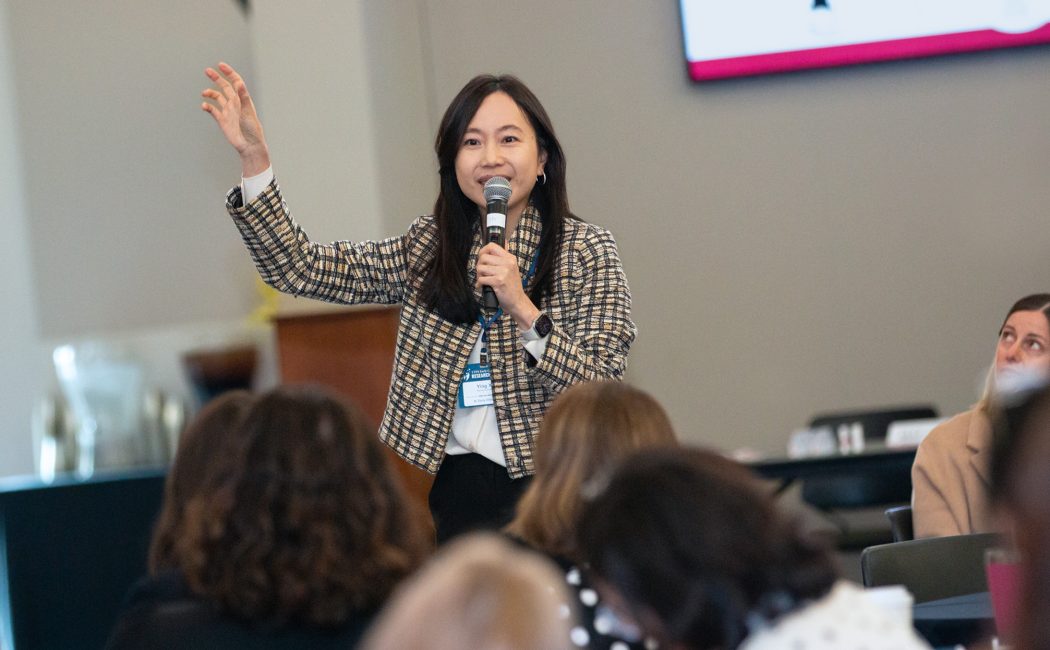
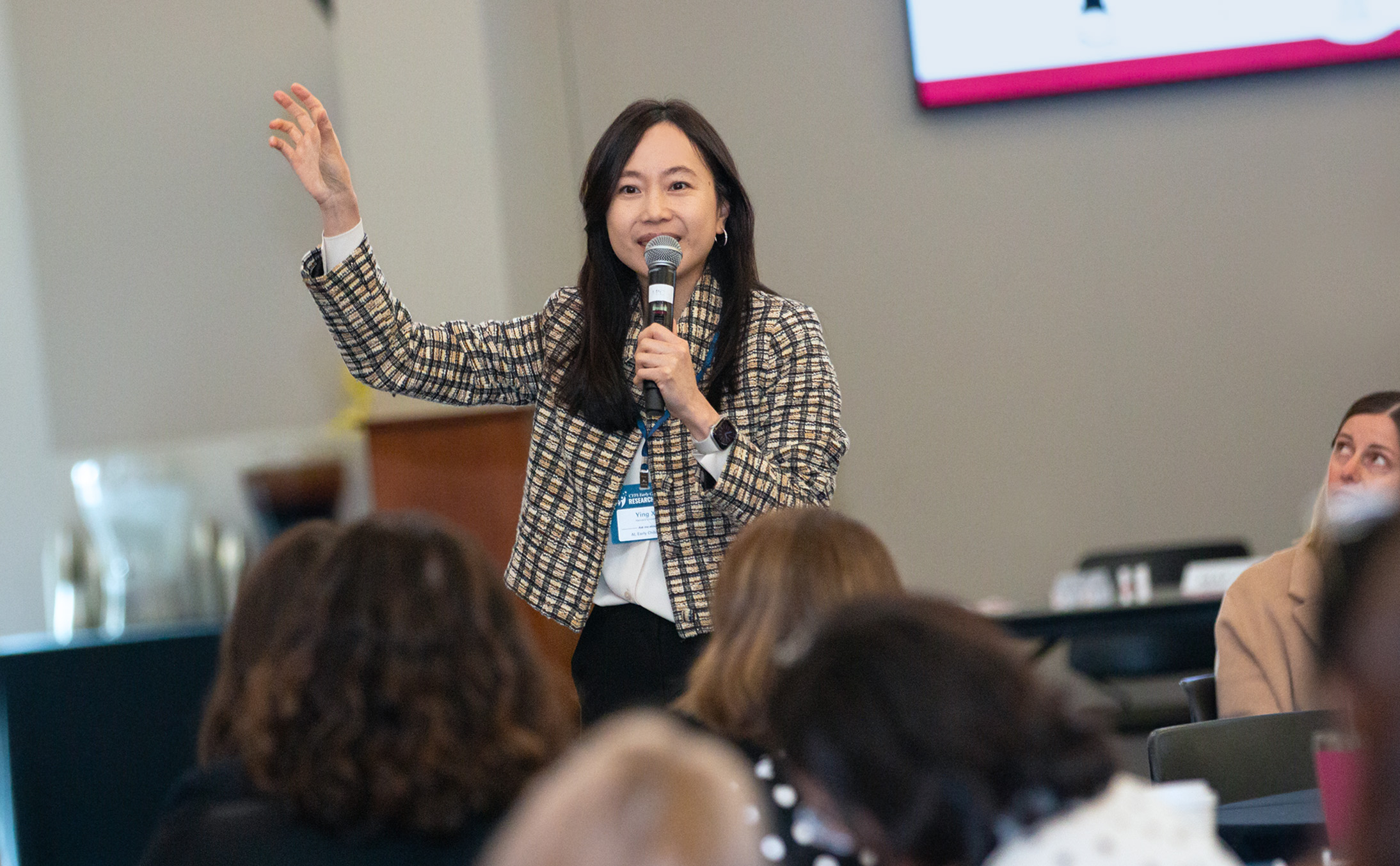
Keynote speaker Ying Xu, assistant professor of education in the Harvard University Graduate School of Education, outline the role and impact of artificial intelligence (AI) on children’s cognitive and social development. Drawing on emerging evidence, she highlighted how children interact with, perceive and learn from AI systems, including the ways they develop trust in “AI companions.”
Xu also discussed AI’s potential role in shaping children’s curiosity, creativity and critical thinking, and how education and psychology researchers can strengthen their efforts to ensure AI is safe and beneficial for children.
“AI is not necessarily a replacement for human connections, but it can be designed as an effective tool to support interpersonal interactions,” Xu said.
Along with AI, the day’s breakout sessions and group discussions focused on research topics that spanned children’s school readiness, parent engagement, special education, health and nutrition, STEM, social-emotional development, and early childhood workforce development and well-being.
Jennifer Nelson, interim vice chancellor, Office of Research and Innovation, shared her thoughts with the attending educators, researchers and policymakers on the importance of continued research to Nebraska, noting the importance of research in Nebraska both current and future generations.
“Working together is the Nebraska way,” she said. “Specific to early childhood research, cooperation and collaboration is crucial to generating the best outcomes for our children and their families, as well as their teachers, schools and communities — and to ensuring that high-quality research in the social, behavioral and educational sciences continues to flourish and thrive in Nebraska.”
Jeff Reese, dean of the College of Education and Human Sciences, shared closing thoughts, noting that collaboration among researchers, practitioners and policymakers is particularly crucial.
“Please continue seeking ways to enhance research, and research-based practice and policy,” he said. “Continue finding new ways to connect your everyday work, whether you’re a researcher, practitioner or policymaker — and listen closely to one another’s input.”
The event concluded with a poster session that featured more than 20 graduate students showcasing their early childhood research and answering questions about their work.
The summit was presented by CYFS in partnership with the Nebraska Academy for Early Childhood Research (NAECR). Sponsors included the College of Education and Human Sciences; the Buffett Early Childhood Institute; and First Five Nebraska’s Early Futures Partnership.