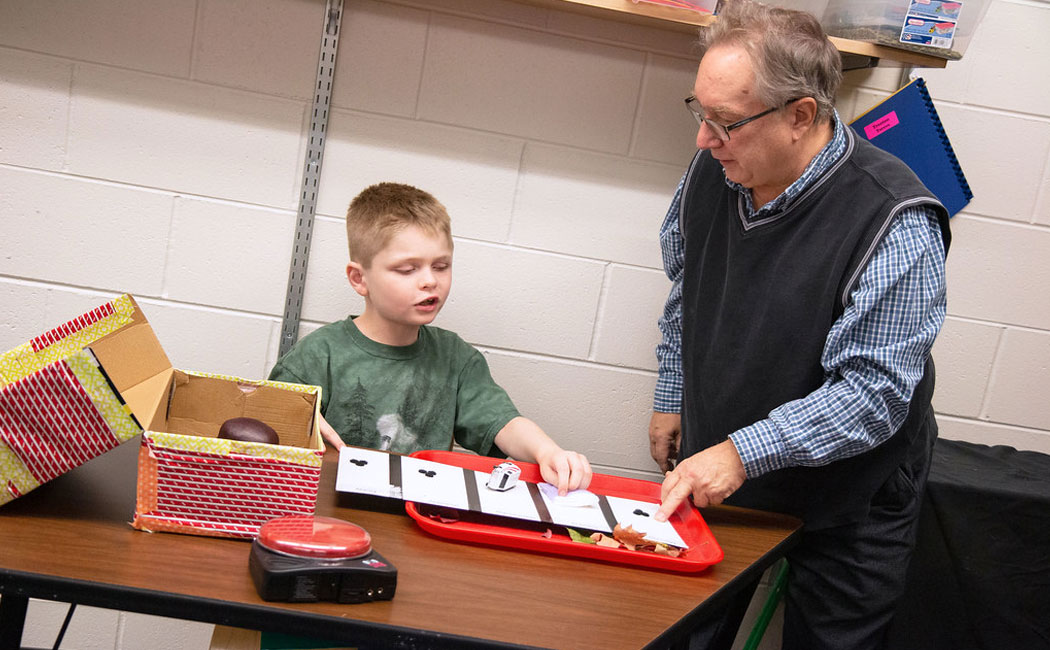
An instructor works with a young student at the Nebraska Center for the Education of Children who are Blind or Visually Impaired in Nebraska City.
Deafblindness is a combination of vision loss and hearing difference that makes accessing the environment, language and communication more complex. It varies in severity and type and can be present at birth or acquired at any age.
With both vision and hearing impacted, access to the world often requires individualized supports for independent living, education and social interaction.Full Article
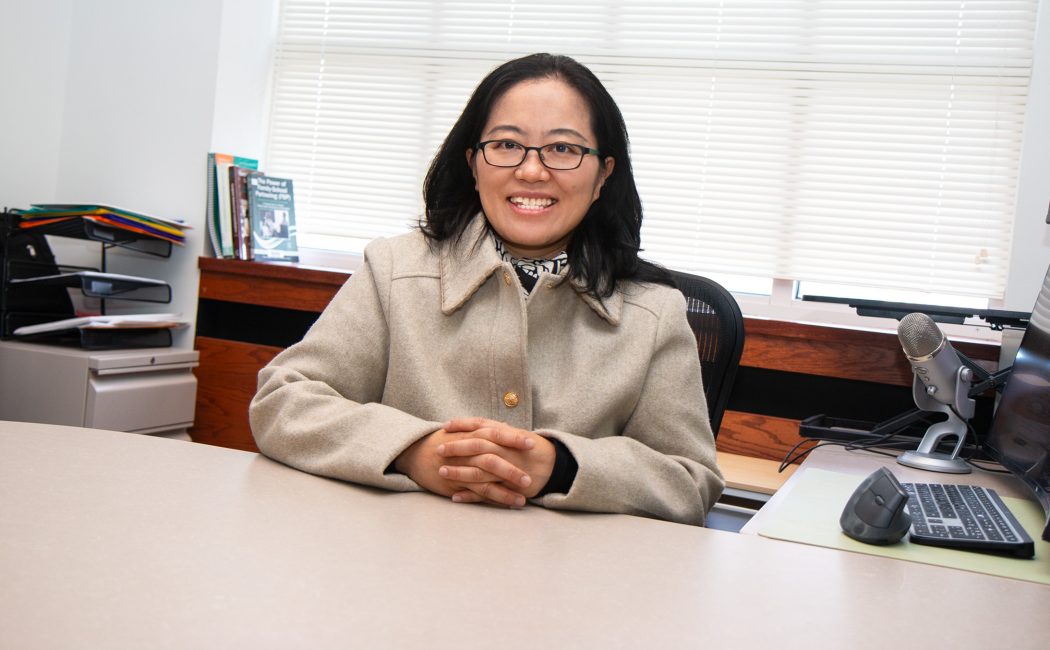
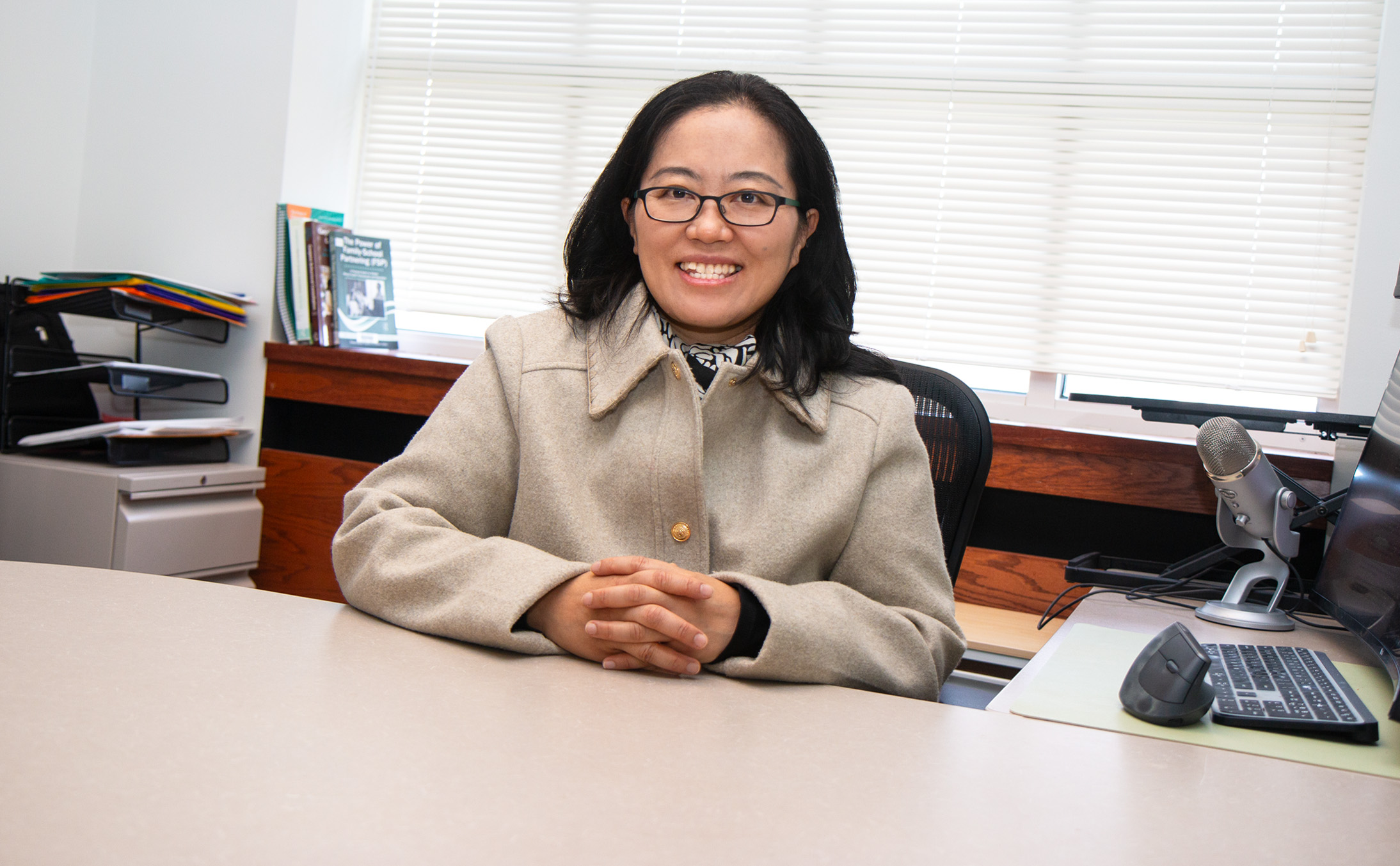
Sungeun Kang, assistant professor of school psychology, recently led a project to refine and expand an intervention program designed to support regulation among autistic children in school settings. Learn more about this project in the CYFS Research Network.
A large proportion of children with autism spectrum disorder often struggle with irritability and behavior challenges stemming from emotional dysregulation — the inability to manage emotional responses. These struggles can include intense, prolonged anger, anxiety, sadness that are disproportionate to situations.Full Article
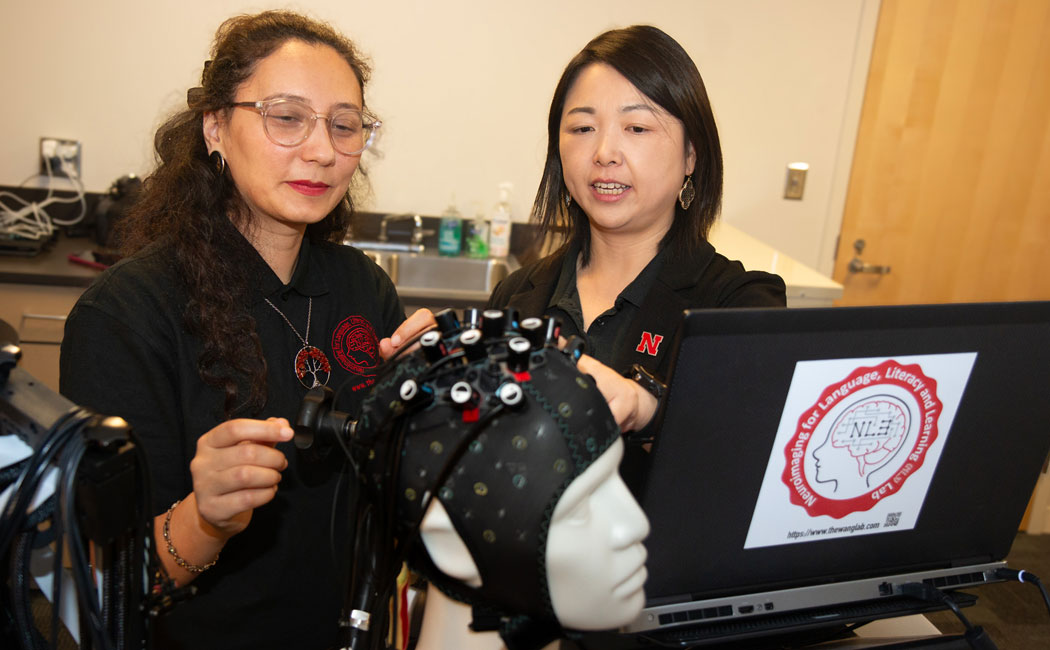
Yingying Wang, resident faculty of the Center for Brain, Biology and Behavior (CB3) and director of the Neuroimaging for Language, Literacy and Learning Lab (NL3), right, works with graduate research assistant Dania Javaid. Learn more about this project in the CYFS Research Network.
For someone with hearing loss, a successful cochlear implant can be life-changing. But because outcomes vary, determining candidates most likely to benefit from the procedure is crucial.
A cochlear implant (CI) is a complex electronic device that can improve hearing in individuals with severe to profound hearing loss. While the implant does not restore normal hearing and differs from hearing aids, which amplify sounds, it does provide a useful representation of sounds by stimulating the auditory nerve. The device’s success depends on how well the auditory nerve functions.Full Article
The Nebraska WORDS team includes, back row from left: Janet Bohaty, HyeonJin Yoon, Dawn Spurck, Kylee Rhamy, Jiabin Lyu, Jungwon Eum and Marc Goodrich. Front row, from left: Abby Burke, Jadyn Ehresman, Pam Bazis, Sara Wing, Sarah Zuckerman, Derek Rodgers and Carrie Sublette (Photo by Loren Rye, UNL Pixel Lab). Learn more about this project in the CYFS Research Network.
A student’s ability to read is a key predictor of academic and lifelong success. In Nebraska, the COVID-19 pandemic hit students with reading difficulties especially hard, particularly students attending rural schools.
Since then, Nebraska WORDS project — Workshops on Reading Development Strategies — has been a valuable resource for teachers by promoting effective strategies to deliver high-quality reading instruction and assessment. The research-based professional development program supports Nebraska’s targeted efforts to boost early literacy among K-3 students across the state.Full Article
Decades of research show that Teachers and Parents as Partners (TAPP) improves children’s academic, social and behavioral outcomes, while building stronger, more effective relationships between parents and teachers.
Developed at the University of Nebraska–Lincoln, the family-school partnership intervention has been implemented in Nebraska, Colorado, Missouri, Wisconsin and rural Appalachian communities, expanding its reach in recent years through distance technology.Full Article
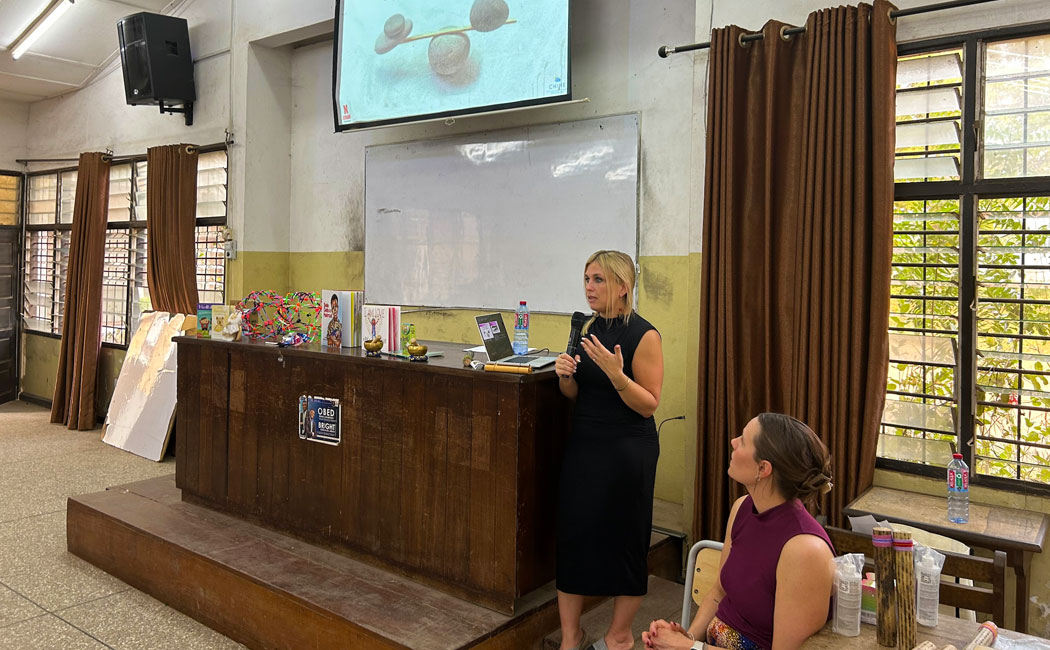
Holly Hatton, associate professor of child, youth and family studies, shares information on the research behind social emotional well-being for teachers and young children during her January 2025 trip to Ghana. View photo gallery.
A transformative program designed to help educators use mindfulness and reflection in their daily work is expanding its global reach.
Holly Hatton, associate professor of child, youth and family studies, is collaborating with researchers in Ghana to adapt CHIME — Cultivating Healthy Intentional Mindful Educators — an interactive compassion- and mindfulness-based program developed at the University of Nebraska–Lincoln. The program will support caregivers, young children and college students in the small west African country.Full Article
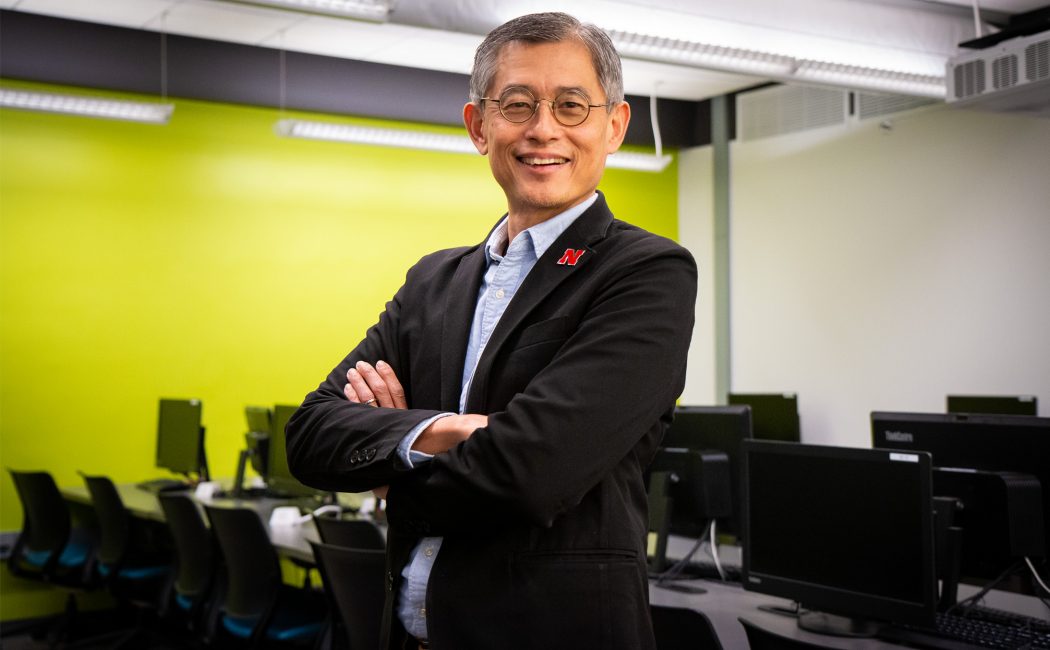
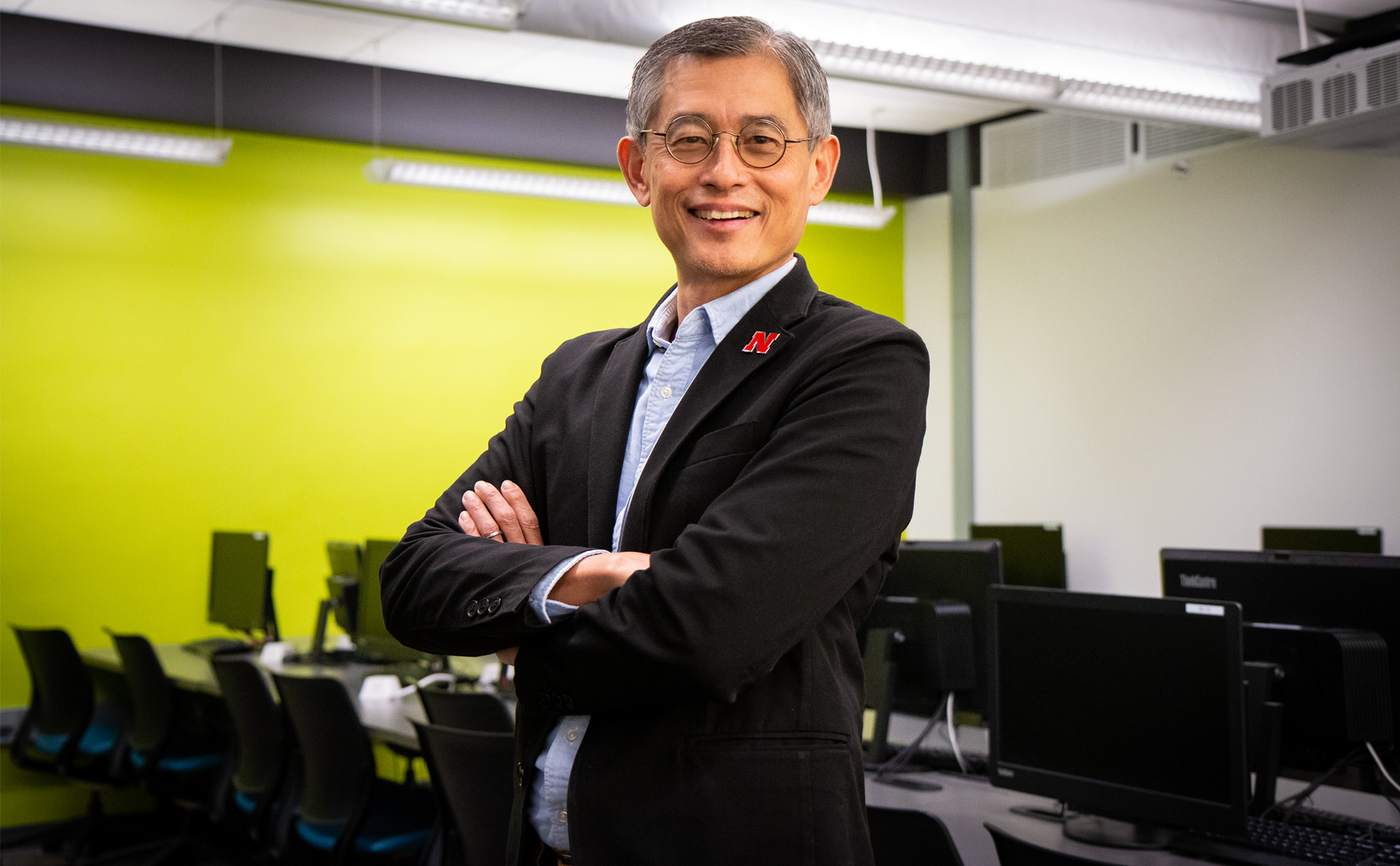
Leen-Kiat Soh, professor in the College of Engineering’s School of Computing, is leading a project to ensure the next generation of K-12 educators includes plenty of teachers who can teach computing skills. Lean more about this project in the CYFS Research Network.
As computers become more and more ubiquitous in nearly every aspect of daily life, the demand for teachers who can prepare the next generation of tech leaders is more pressing than ever.
Leen-Kiat Soh, professor of computing, is leading a project to ensure future generations of K-12 teachers are equipped with the skills and knowledge to bring the cutting-edge computer science into the classroom.Full Article
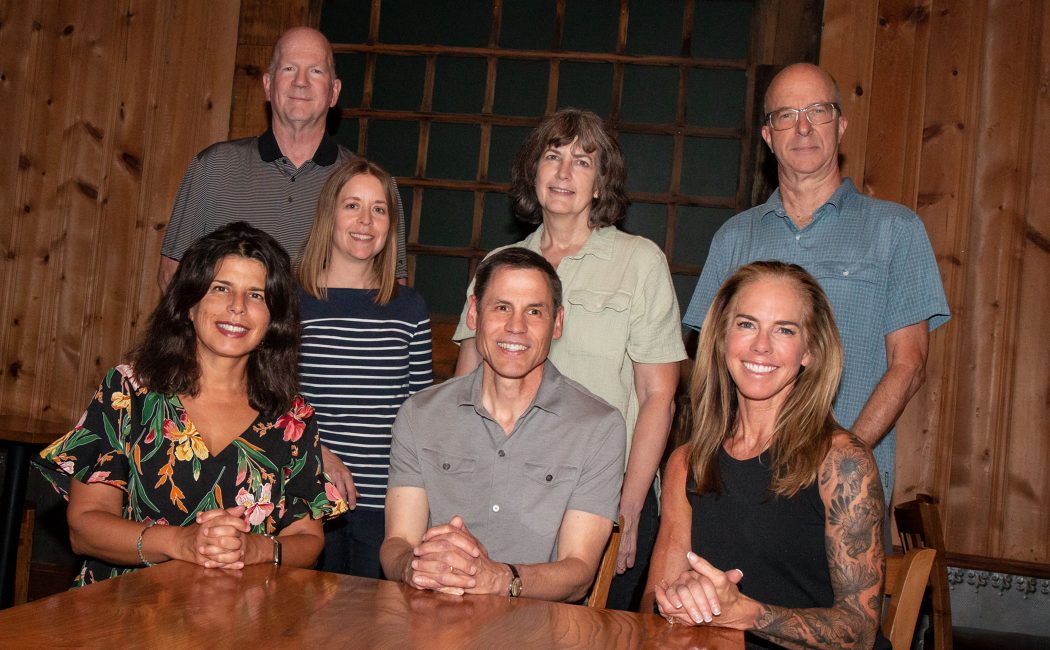
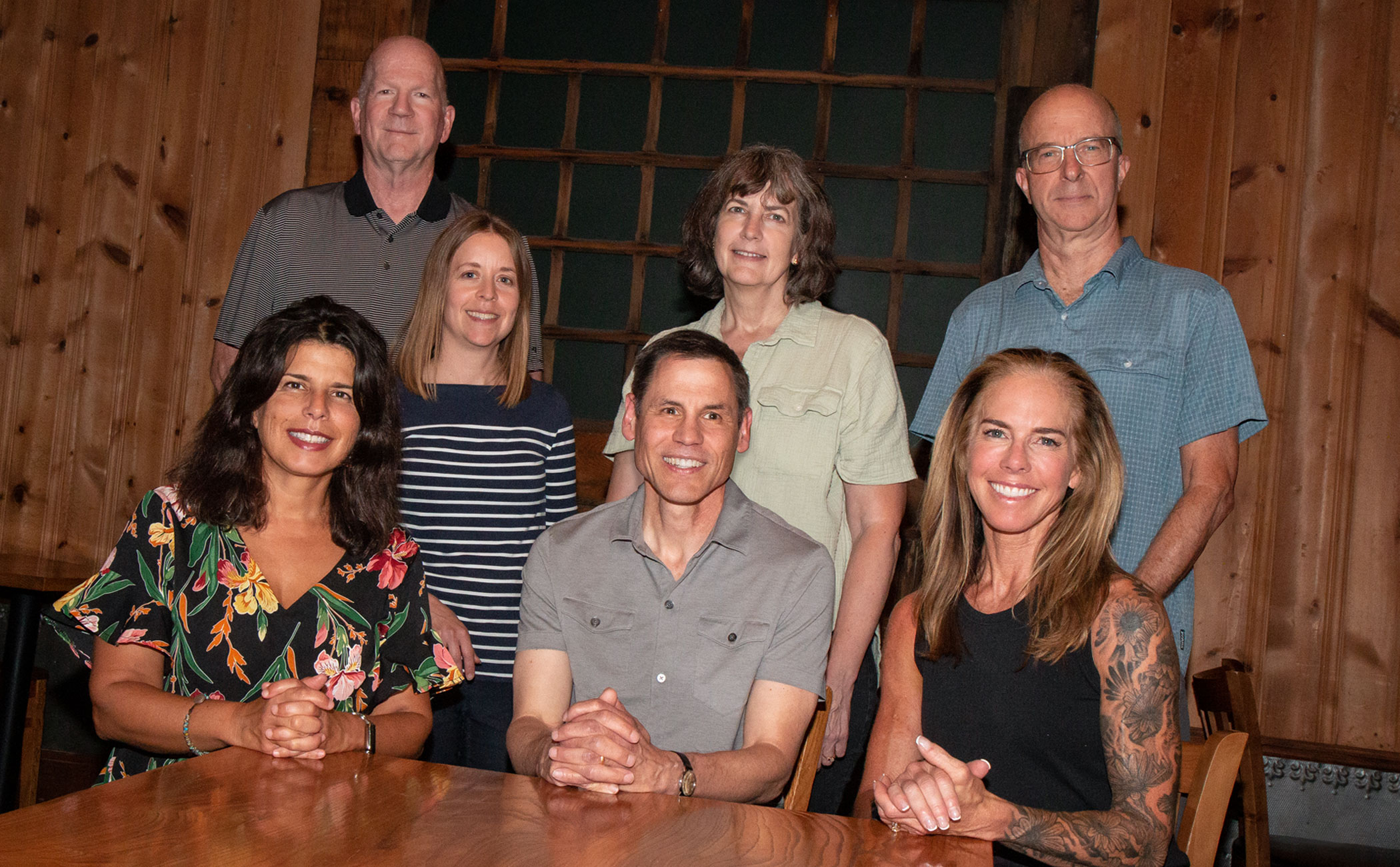
Project researchers include, front row from left: Loukia Sarroub, Alex Mason and Sarah Staples-Farmer. Back row from left: Randy Farmer, Natalie Koziol, Debbie Minter and Eric Buhs. Learn more about this project in the CYFS Research Network.
The journey from detention to diploma is a challenging one for students transitioning from expulsion or the juvenile justice system to the classroom.
More than 25,000 youth reside in detention facilities on any given day in the United States. About two-thirds of those youth do not successfully re-engage with school upon their release, due to the lack of effective transition supports.Full Article