Birth to age 3 are critical years for development, especially for children with disabilities who need extra support. Early interventionists meet with families and provide services such as occupational, speech or physical therapy to help children learn and grow.
Since 2021, the University of Nebraska–Lincoln has worked with state agencies to build and implement a professional development model grounded in early childhood coaching to enhance early intervention services and improve outcomes for infants and toddlers with disabilities in Nebraska.
The project has resulted in a sustainable statewide coaching infrastructure is in place to continue supporting the state’s early childhood interventionists — the professionals who provide services to children and their families — and the site-based coaches who guide them.
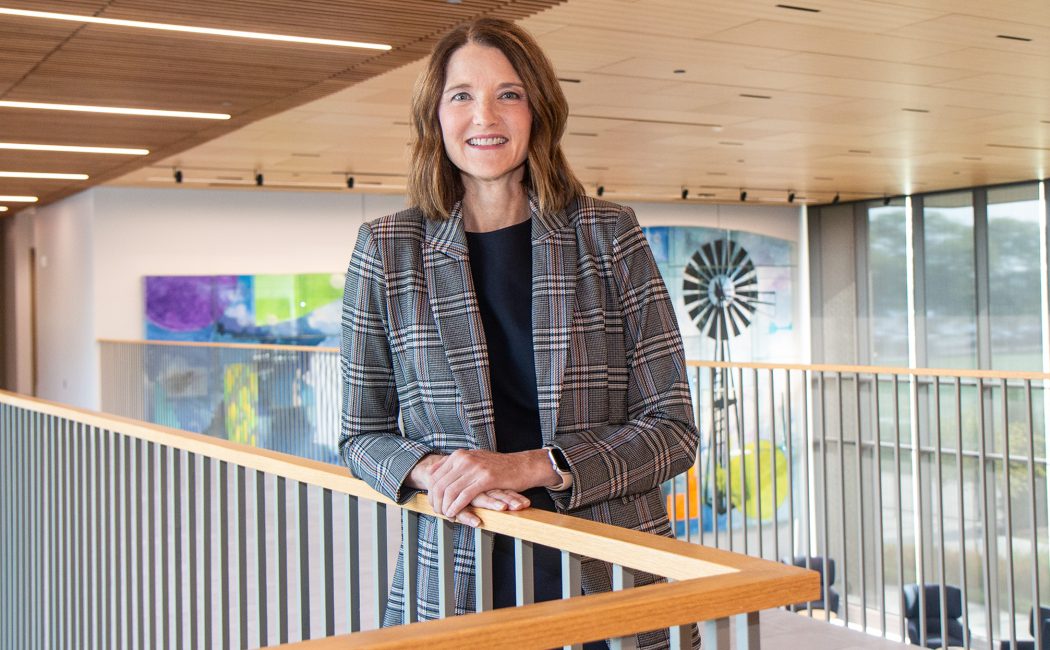
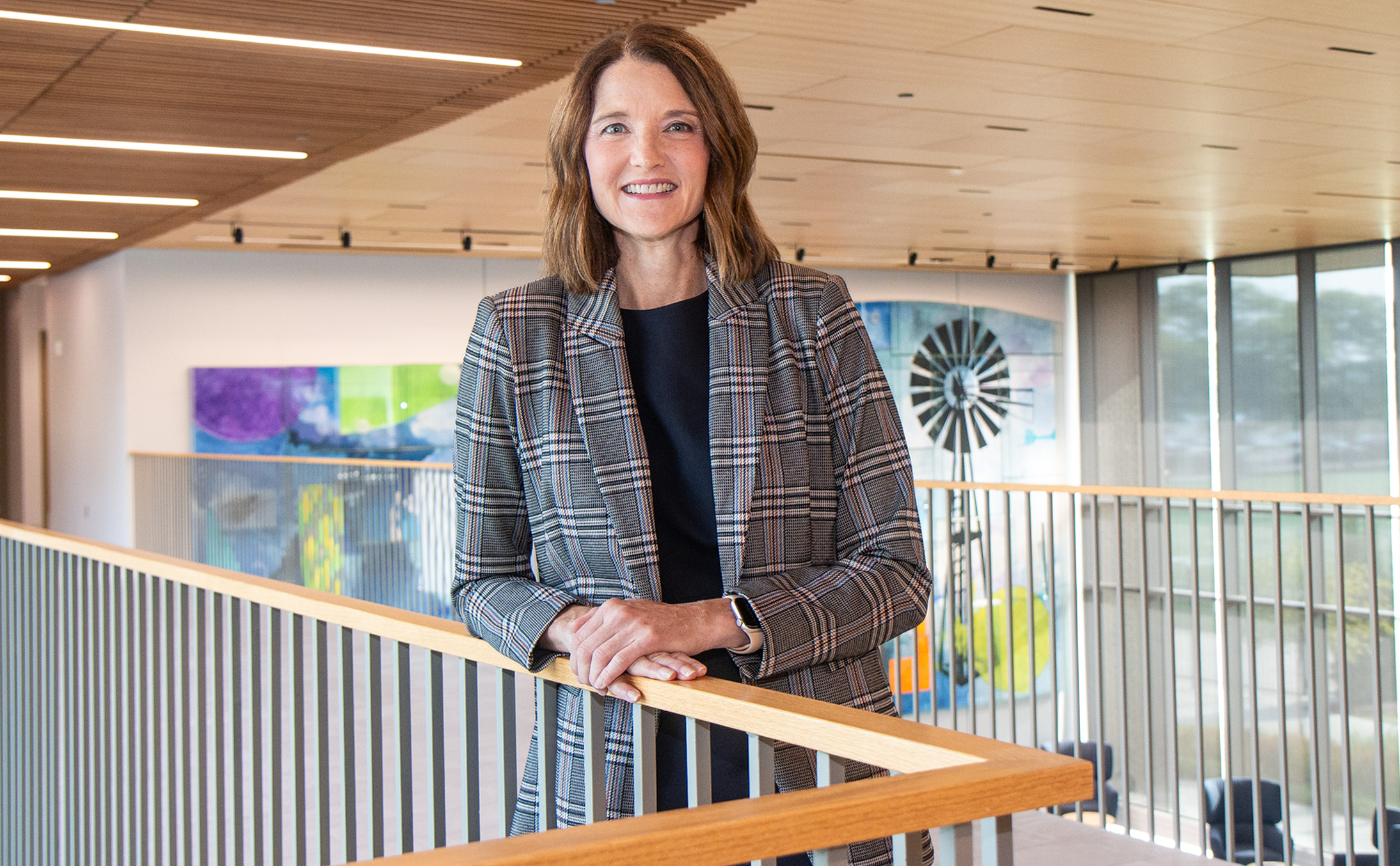
Lisa Knoche, director of the Nebraska Academy for Early Childhood Research (NAECR), has overseen a multi-agency collaboration that created the Coaching in Early Intervention (CEI) program.
The project set out to develop a systematic coaching model to promote ongoing, high-quality services for children and their families by supporting early childhood interventionists’ use of evidence-based strategies. The collaboration aimed to improve early intervention programming throughout Nebraska.
Along with Knoche, the partnership included the Nebraska Department of Education; the Nebraska Department of Health and Human Services; and the Nebraska Early Development Network, which operates the state’s early intervention services.
Research team members included Sue Bainter, early intervention trainer and coach; Sommer Fousek, project manager, NAECR; Gwen Nugent, CYFS research professor emeritus; and Rachel Schachter, associate professor of educational psychology at the University of Illinois Chicago.
The CEI program developed a support system for coaches of early childhood interventionists, helping them strengthen their work in the field and tailor support to individual providers’ needs. The coaching model emphasizes practices such as relationship‐building, observation, planning and goal setting, feedback, reflection and modeling.
“Early intervention is critically important, and service providers need support to implement the highest quality of services,” Knoche said.
With support from a $1.6 million grant from the U.S. Department of Education’s Office of Special Education Programs in 2020, Knoche and her team have worked with five state-level coaches, 20 local coaches, 49 early intervention professionals and 93 children/families from across the state.
Data from the program show that families have been satisfied with the services they were receiving from their early interventionists. It also suggested strong relationships among early interventionists and their coaches.
“Our goal was to implement a robust, sustainable coaching infrastructure,” Knoche said. “We have accomplished that.”
Along with the coaching network, a training website has been developed using CEI data. The sit, which contains resources, videos and other training material for coaches, will be accessed by early interventionists being trained to provide coaching in their communities and regions.
Early intervention is critically important, and service providers need support to implement the highest quality of services . . . Our goal was to implement a robust, sustainable coaching infrastructure. We have accomplished that.”
— Lisa Knoche, principal investigator
Lori Chatfield, Early Development Network lead teacher and program consultant coordinator at Omaha Public Schools, said she appreciates the website and the resources it provides.
“It is fantastic,” Chatfield said. “I really like the resource pages under each section. The ‘possible challenges’ examples given on each resource page are relatable and helpful.”
Amy Bunnell, director of early childhood in the Nebraska Department of Education’s Office of Special Education, said CEI has established a strong foundation for sustained impact within Nebraska’s early intervention system.
“Investing in CEI has resulted in high retention rates of early intervention personnel at the local level,” she said. “Early intervention professionals say they feel as though someone is investing in them, which leads to greater job satisfaction and longevity. The CEI model will continue to benefit early intervention personnel for years to come as Nebraska continues to scale up and implement CEI statewide to support coaches and providers.”
With CEI’s sustainability comes the potential for the program to expand to other states.
“We have seen interest in this as we’ve presented on it at national conferences and have had conversations with other states about the work that we’re doing,” Knoche said. “It is designed to take what we know and move it to scale within a community-building infrastructure.”
Learn more about the project in the CYFS Research Network.