News Home

Brain-computer interface enhancing communication for those with severe physical impairments

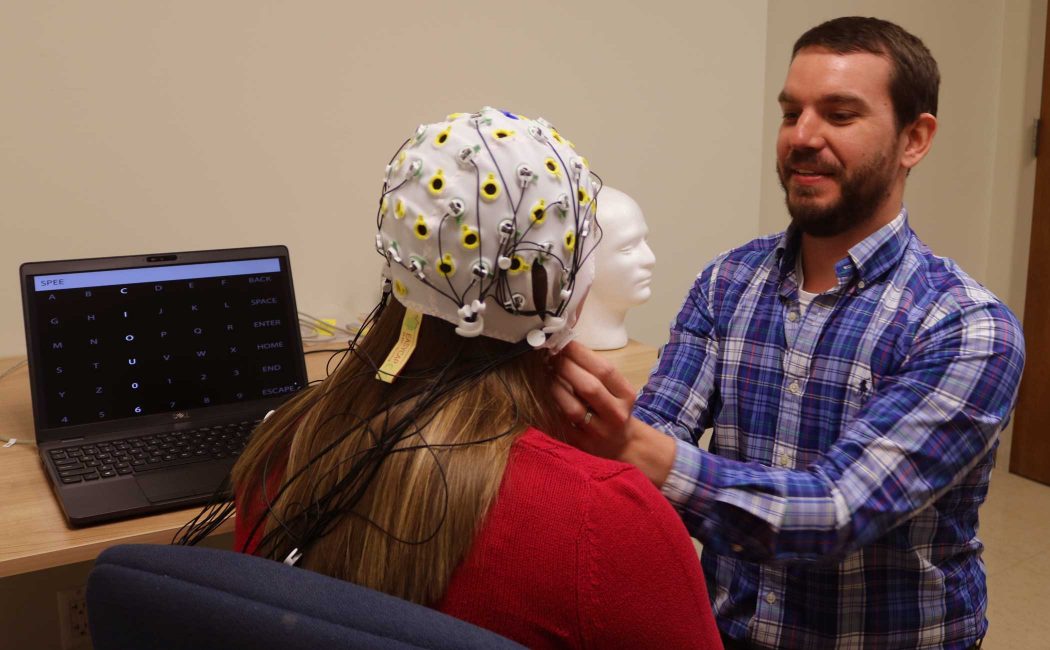
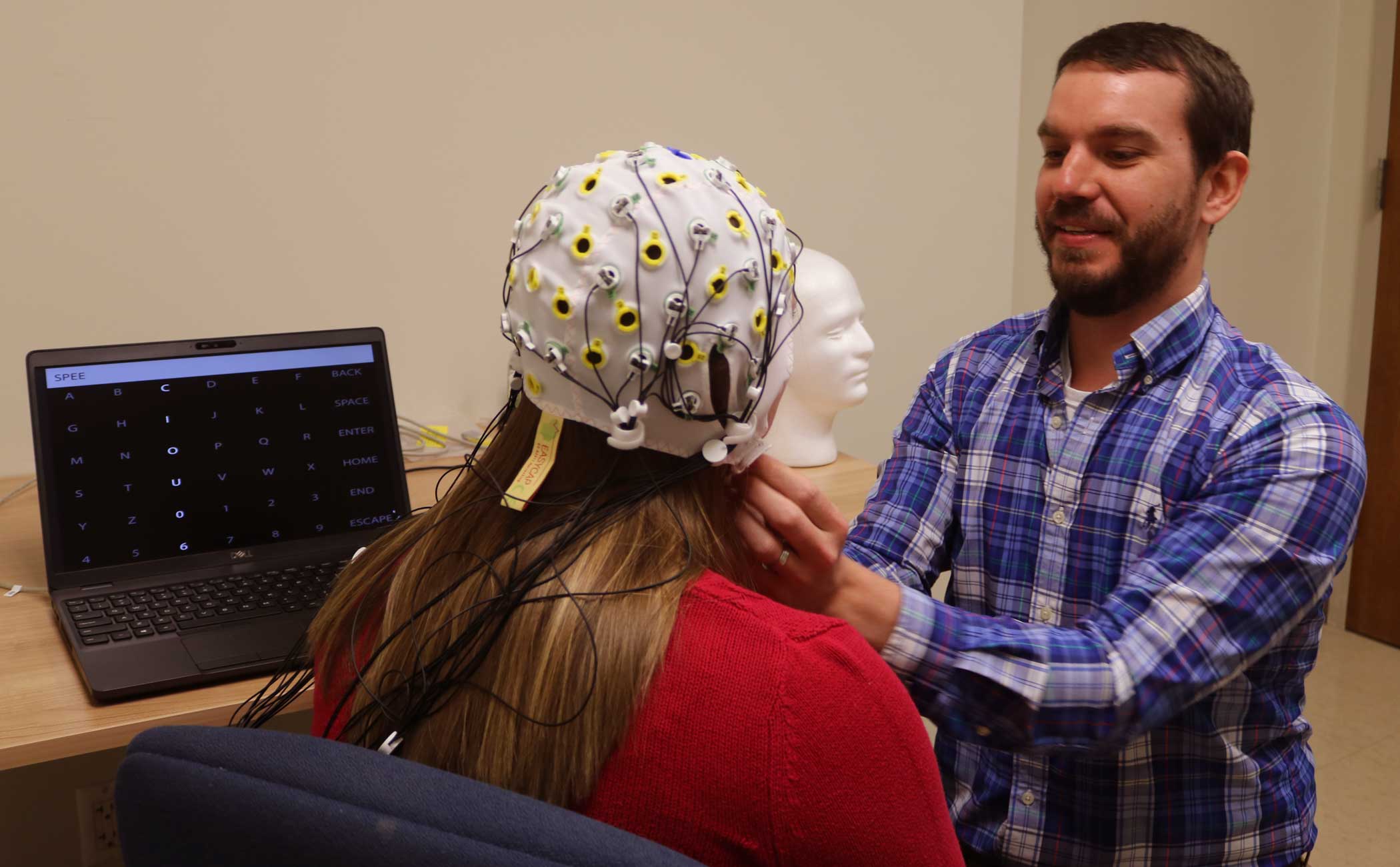
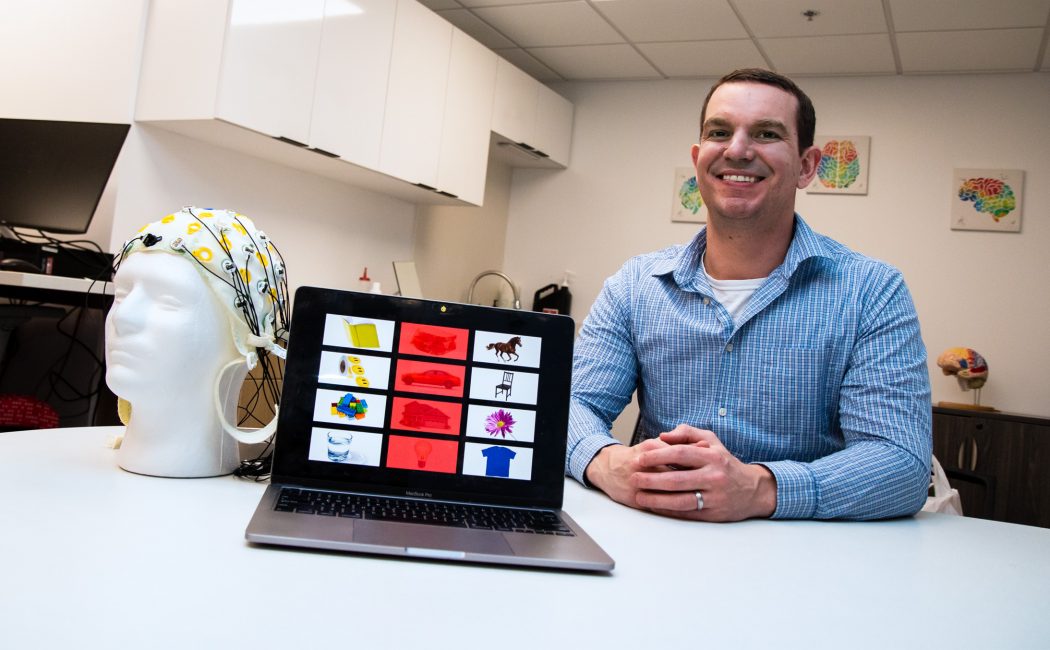
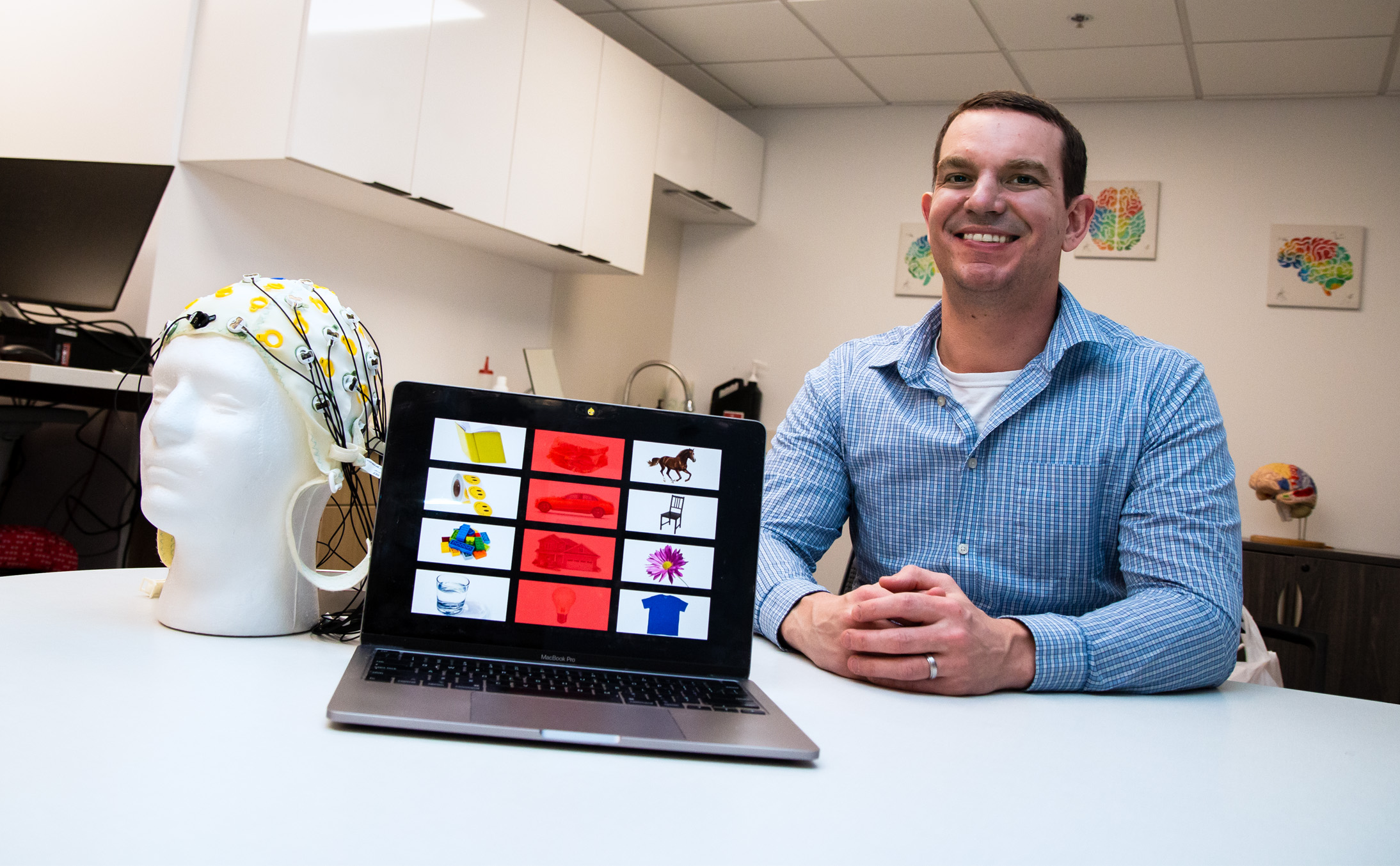
Kevin Pitt, assistant professor of special education and communication disorders, prepares an EEG cap for use on a P300 speller device (Photo by Kelcey Buck, Special Education and Communication Disorders). Learn more in the CYFS Research Network.

As computer technology continues to evolve and become more routine in daily life, researchers and engineers alike are working to find new ways to link computer technology with the human brain.

Using a direct communication pathway between a wired brain and an external device to produce commands is no longer the stuff of science fiction. Brain-computer interface, or BCI, is now evolving reality — and one that promises enhanced quality of life for people with severe physical impairments (SPIs). Full Article

Study examines bonds between babies, parents

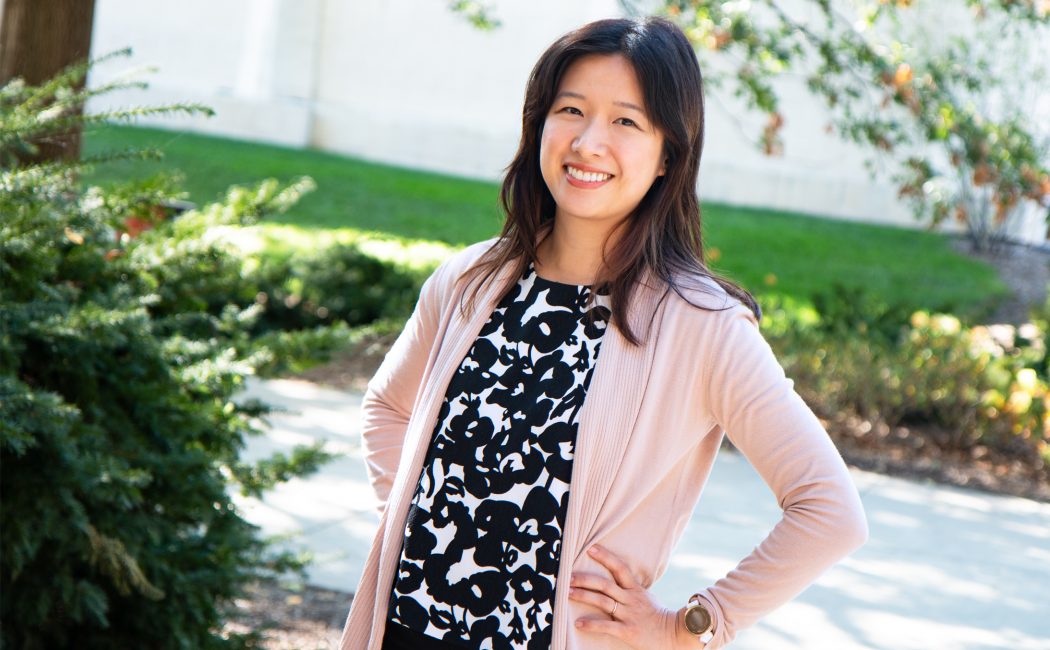
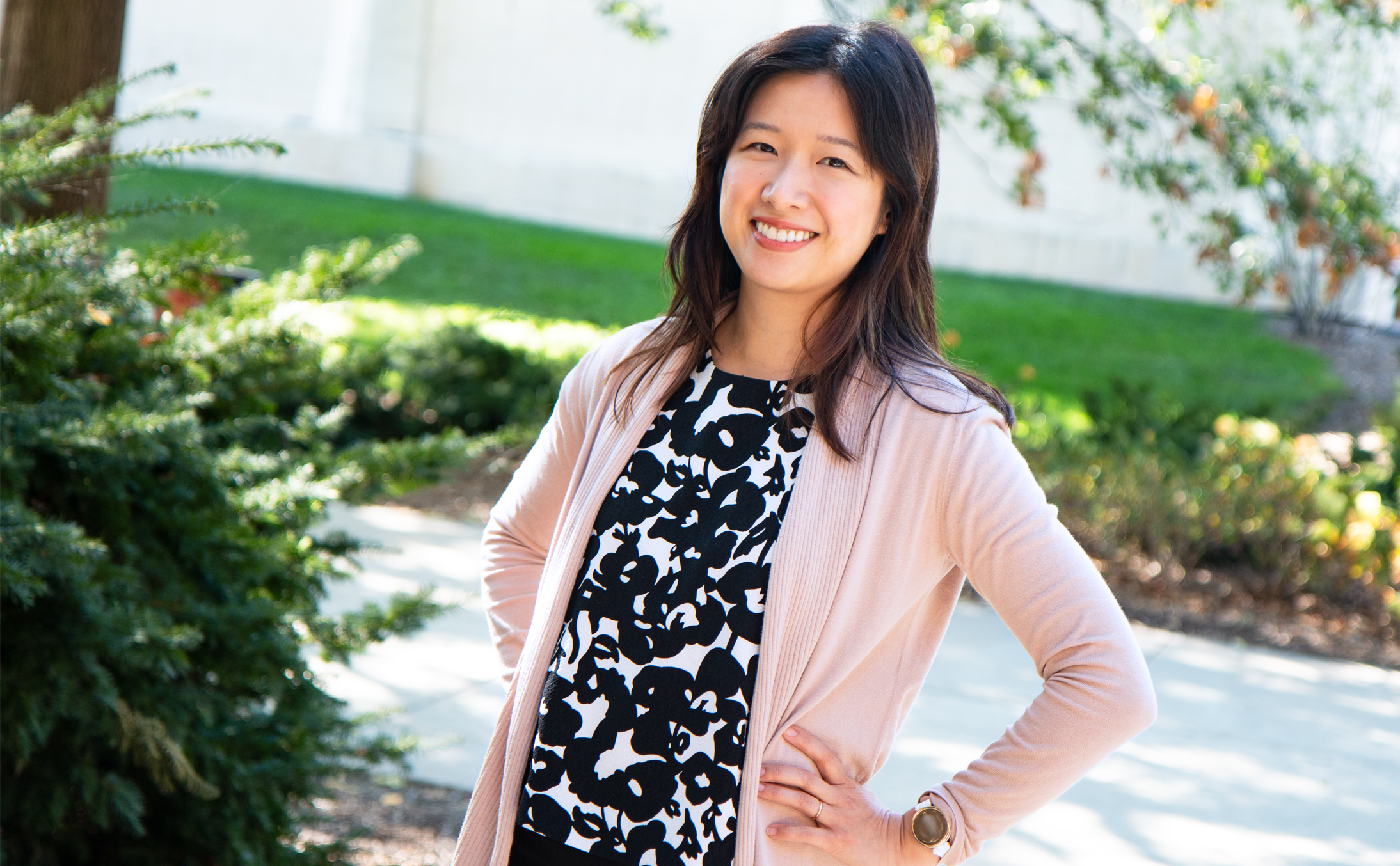
Patty Kuo, assistant professor of child, youth and family studies, is leading a pilot project to explore how attachment security to mothers and fathers develops in a baby’s first 18 months — and how those attachment configurations predict outcomes in the child’s first three years. Learn more about this project in the CYFS Research Network.

It may seem obvious, but the emotional bond babies develop with their parents is crucial — not only for their survival, but also to ensure positive outcomes throughout life.

Less-obvious, however, is how this bond — known as attachment — develops. Full Article

Project leverages online simulations for real-world civic experience

Evan Choi, associate professor of child, youth and family studies, is leading a pilot project designed to provide civics, entrepreneurship and leadership education to at-risk youth from two of Nebraska’s highest-poverty communities. Learn more in the CYFS Research Network.

Civic knowledge and community engagement is no game. But Nebraska researchers are developing a project that leverages some good, clean online fun to help develop and encourage good citizenship.

Evan Choi, associate professor of child, youth and family studies, is leading a pilot project designed to provide civics, entrepreneurship and leadership education to at-risk youth from two of Nebraska’s highest-poverty communities through an innovative learning program based on interactive online games and simulations. Full Article

Interdisciplinary study leverages technology to assess preschool teachers’ resilience

Nebraska researchers are working on ways to better understand the processes that enable preschool teachers to remain healthy and resilient — and to contribute to the positive development of children in their care. Learn more in the CYFS Research Network.

In a typical preschool classroom with as many as two-dozen children, there are bound to be times of elevated stress for the teacher — and sometimes the students.

Along with meeting the needs of several children, teachers juggle many emotional and physical demands in their daily work, often with limited resources. Following an early childhood curriculum or philosophy, engaging families, maintaining a safe environment and dealing with interpersonal conflicts are just some of their daily classroom tasks. Full Article

Brain imaging brings predictors for cochlear implantation success into focus

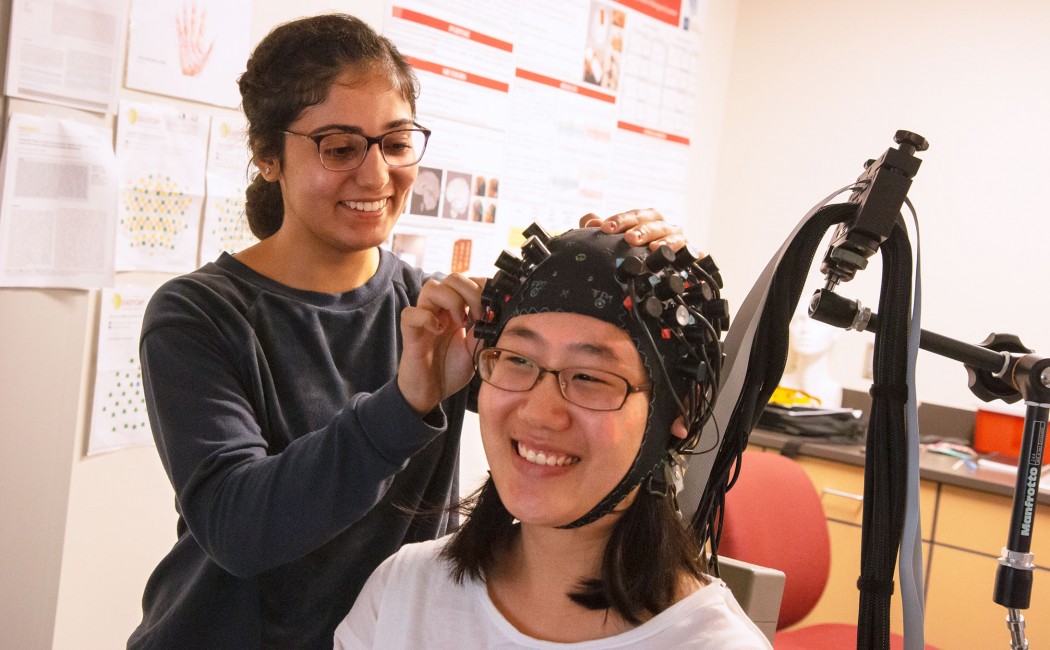
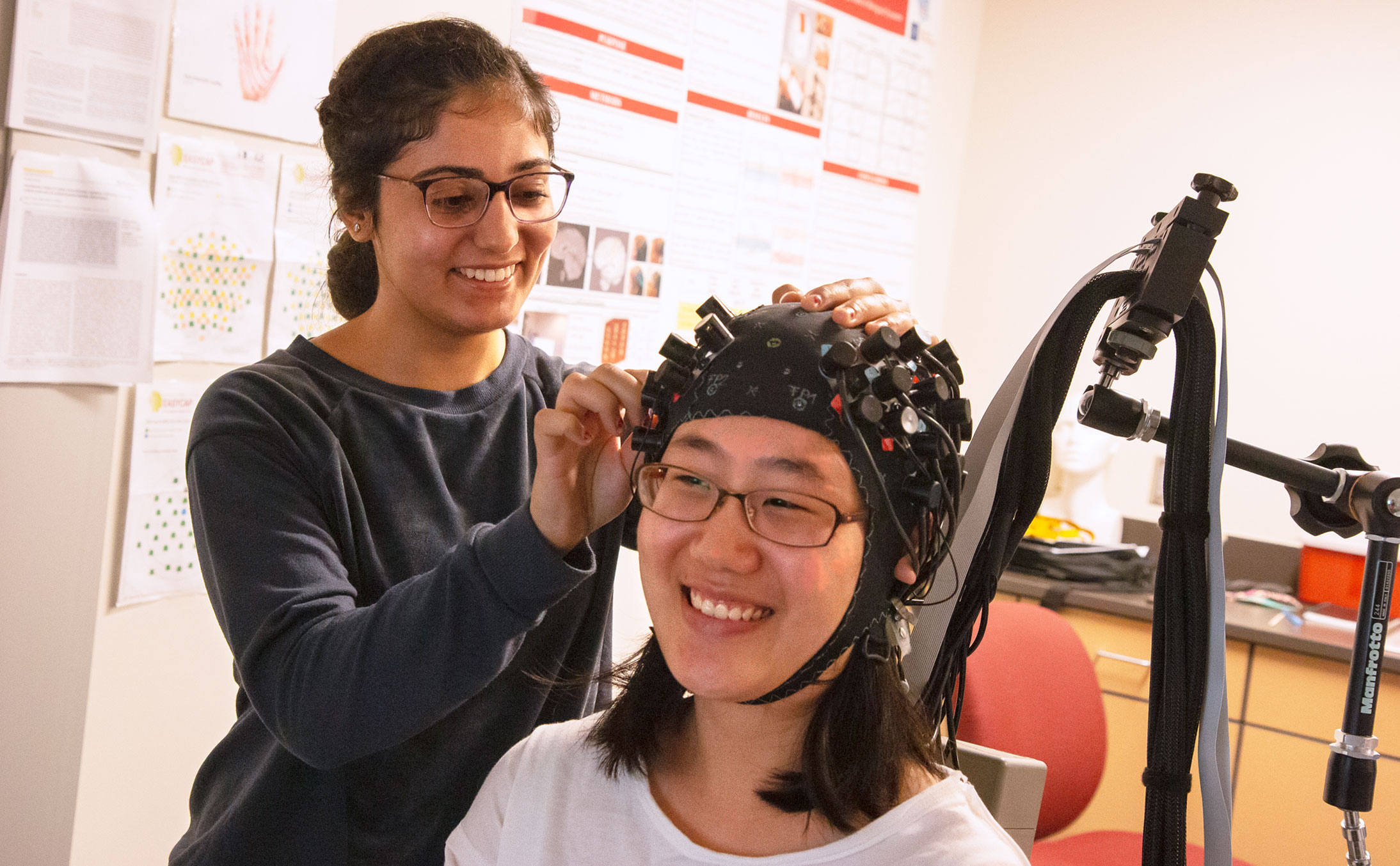
From left, Randa Ismail adjusts an fNIRS cap on Grace Oh.
From left, Randa Ismail adjusts an fNIRS cap on Grace Oh. Learn more in the CYFS Research Network.

For someone with hearing loss, a successful cochlear implant can change their world.

But because results vary among implant recipients, it is crucial to determine strong candidates for whom an implant will likely be successful.

A cochlear implant (CI) is a complex electronic device that can effectively restore hearing in individuals with severe to profound hearing loss. While the CI does not restore normal hearing and differs from hearing aids, which amplify sounds, it does provide a useful representation of sounds by directly stimulating the auditory nerve. The CI’s success depends on how well the auditory nerve functions. Full Article

Children take the reins over ADHD challenges with help from horses

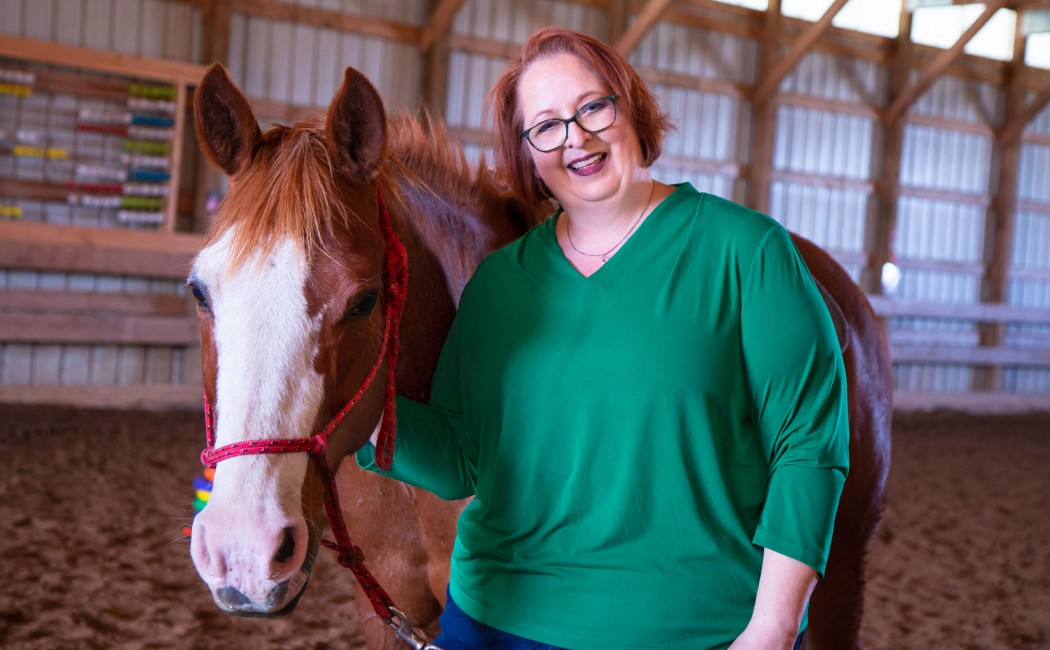
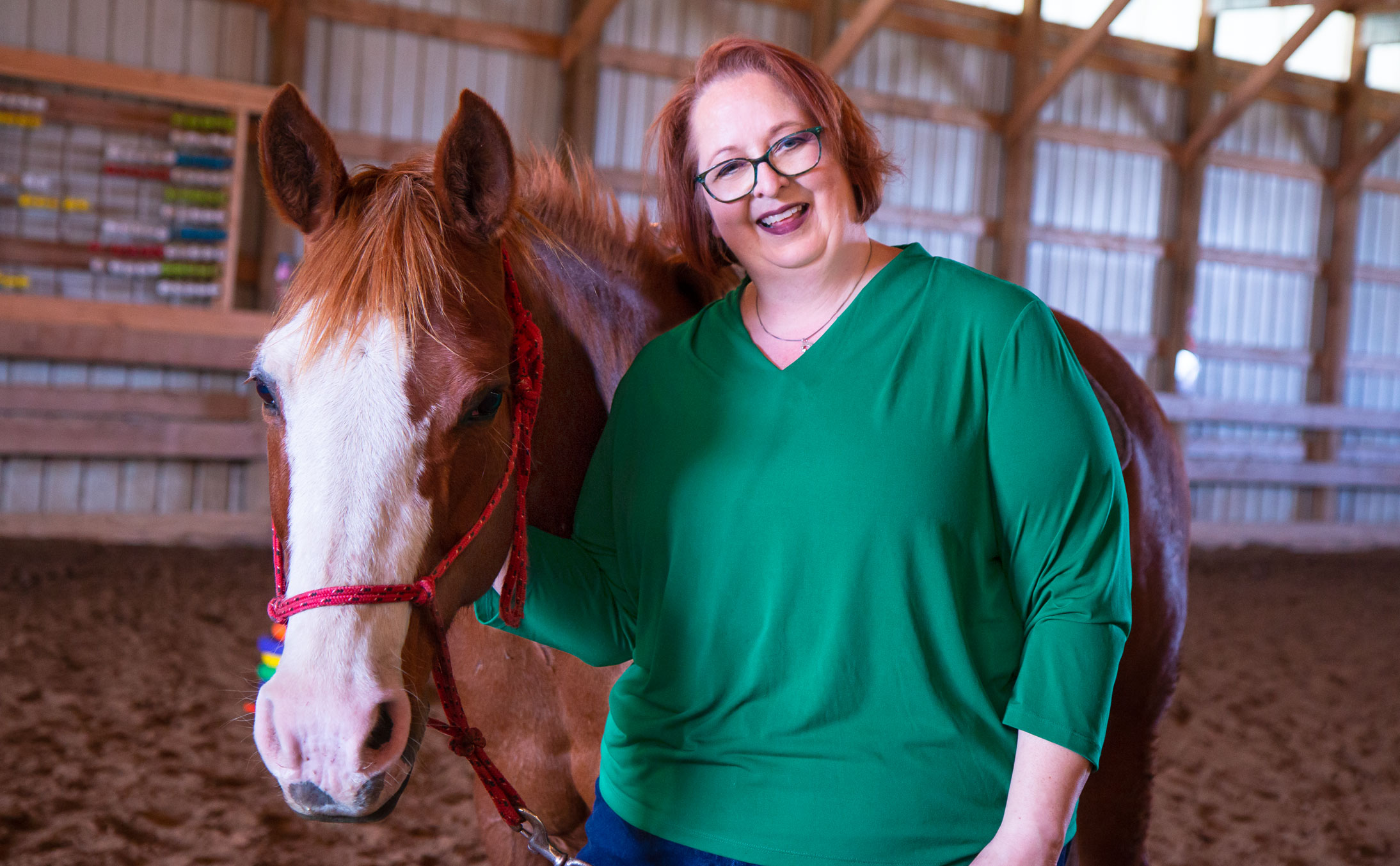
Michelle Howell Smith, CYFS research assistant professor, is exploring the effects of equine-assisted activities on children diagnosed with ADHD.
Michelle Howell Smith, CYFS research assistant professor, is exploring the effects of equine-assisted activities on children diagnosed with ADHD. See photo gallery.

As 12-year-old Joe rides a horse named Indy, his mother watches from the far end of the arena. She smiles as her son interacts with the gentle, giant animal.

Michelle Howell Smith, CYFS research assistant professor, can relate. She has seen the positive effects of equine-assisted therapy with her own daughter, MaKenna, who has autism. Full Article

Taking a bite out of immigrant dental health misconceptions

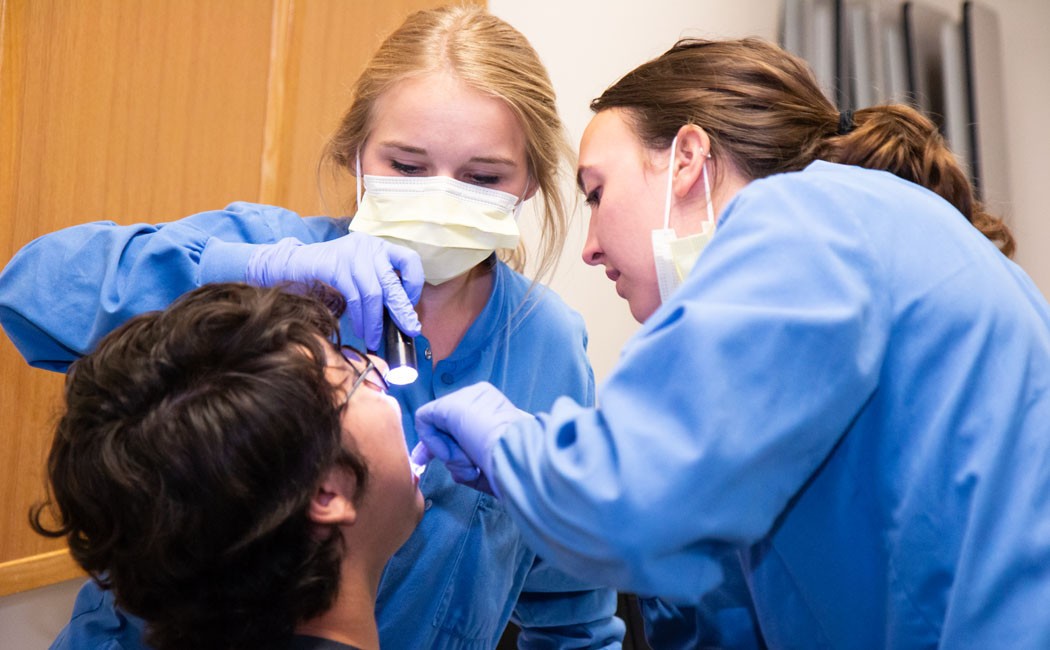
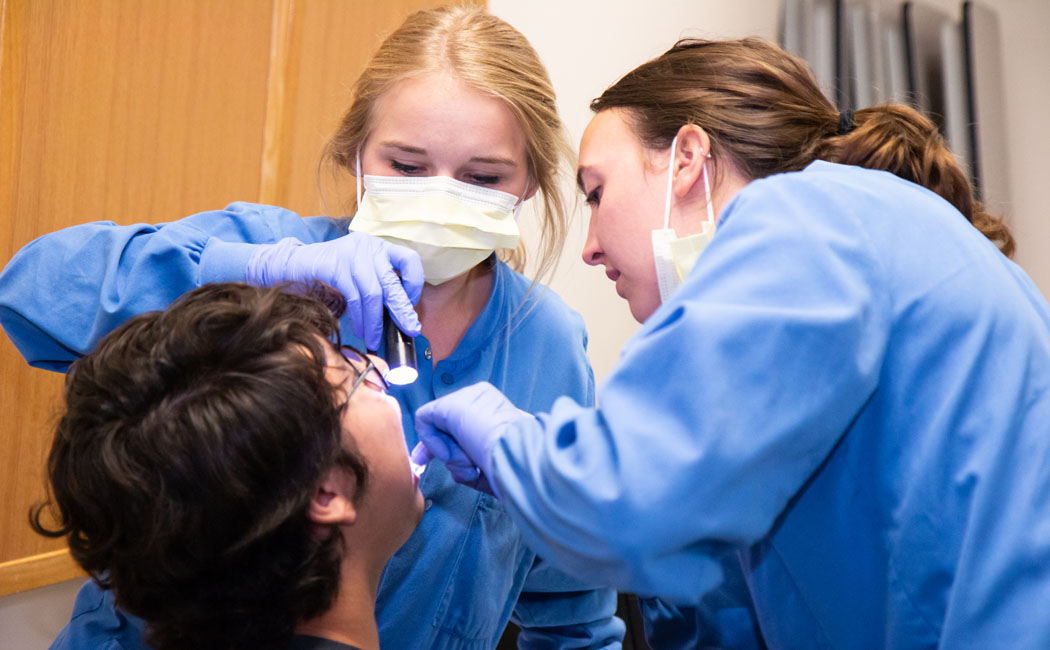
Patient Oscar Kaled Gonzales gets a checkup from Nebraska College of Dentistry students Olivia Straka and Maddi McConnaughhay at Lincoln's El Centro de las Americas.
Patient Oscar Kaled Gonzales gets a checkup from UNMC College of Dentistry students Maddi McConnaughhay and Olivia Straka at Lincoln’s El Centro de las Américas.

Something to chew on: Despite oral disease being mostly preventable, it remains one of the world’s most common illnesses. But for many Latino immigrant families, limited access and high cost make dental services prohibitive.

While studies demonstrate that dental appearance and aesthetics have important implications for positive self-esteem, relationships and employment outcomes, perceptions of dental aesthetics held by immigrant families have not been investigated. Full Article

Adding up factors of how children learn mathematics

Carrie Clark, assistant professor of educational psychology, is using functional MRI technology to capture brain activity while children learn mathematics.

What is 72 multiplied by 12? While fourth-graders will focus on arriving at the correct answer, Nebraska researcher Carrie Clark wants to know what happens in the brain as they learn to solve the problem.

Clark, assistant professor of educational psychology, is using functional MRI technology to capture brain activity while children learn mathematics. Funded by the University of Nebraska–Lincoln’s Office of Research and Economic Development and housed at CYFS, she is exploring the relationship between children’s mathematics learning and executive function — the ability to maintain focus and behave in a goal-oriented way. Full Article