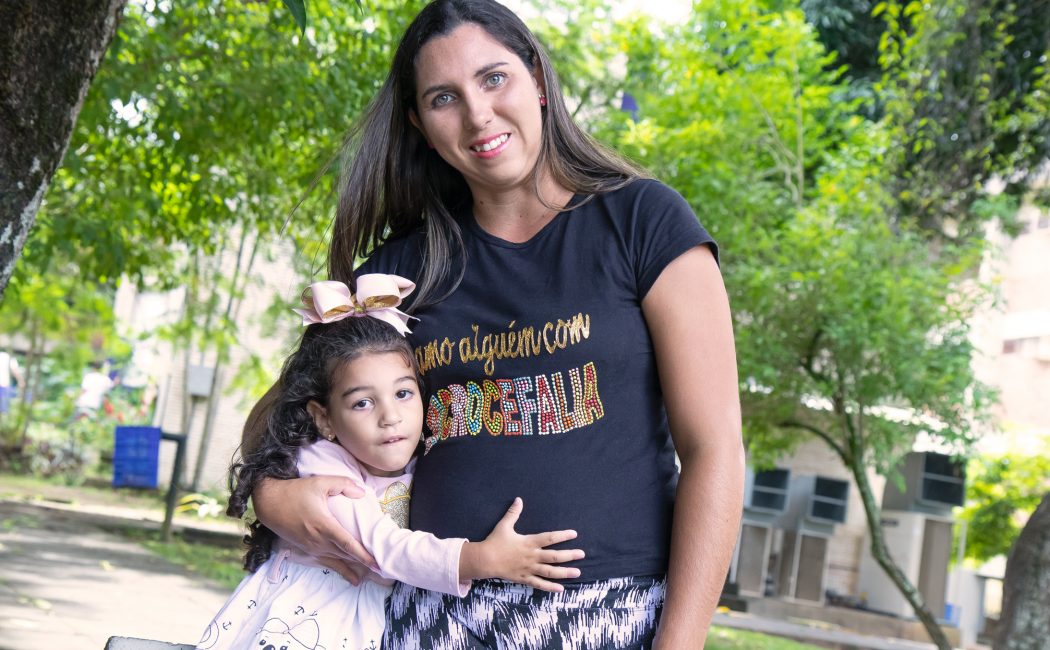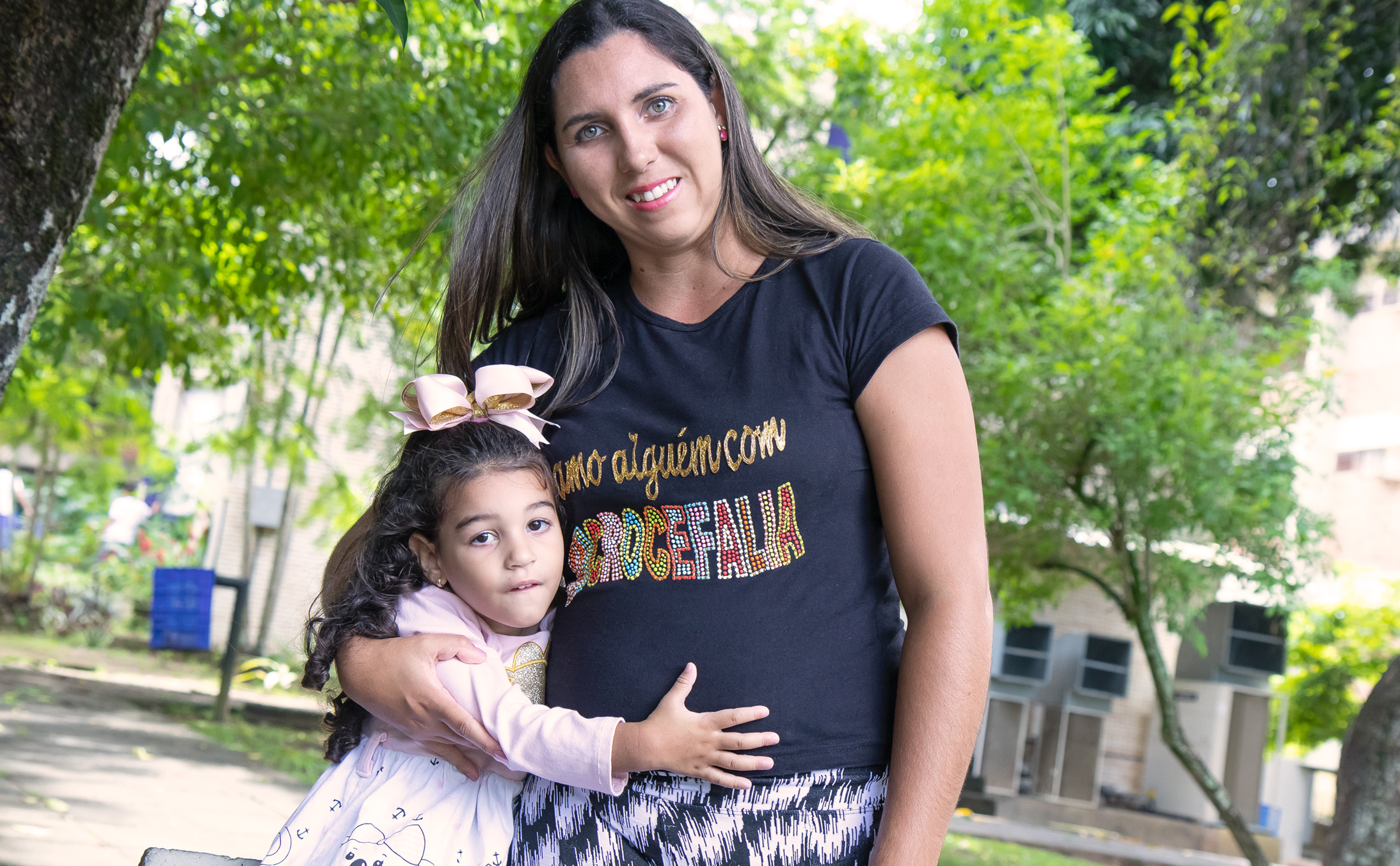

Germany Gracy Maia, pictured with her daughter Giovanna, shared her experience raising a child affected by congenital Zika syndrome. See gallery.
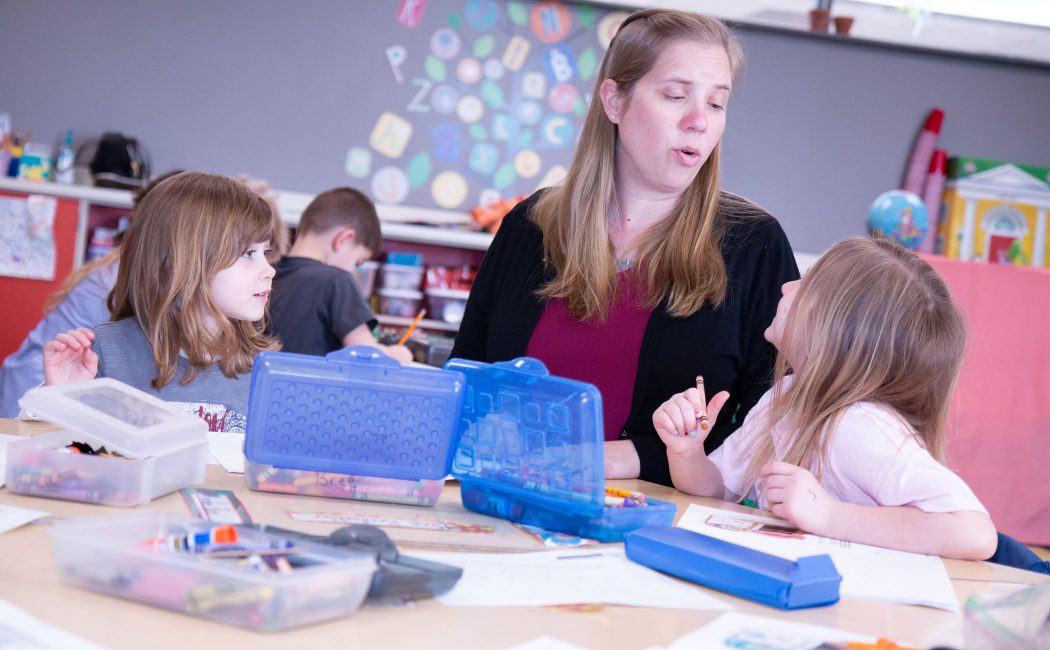
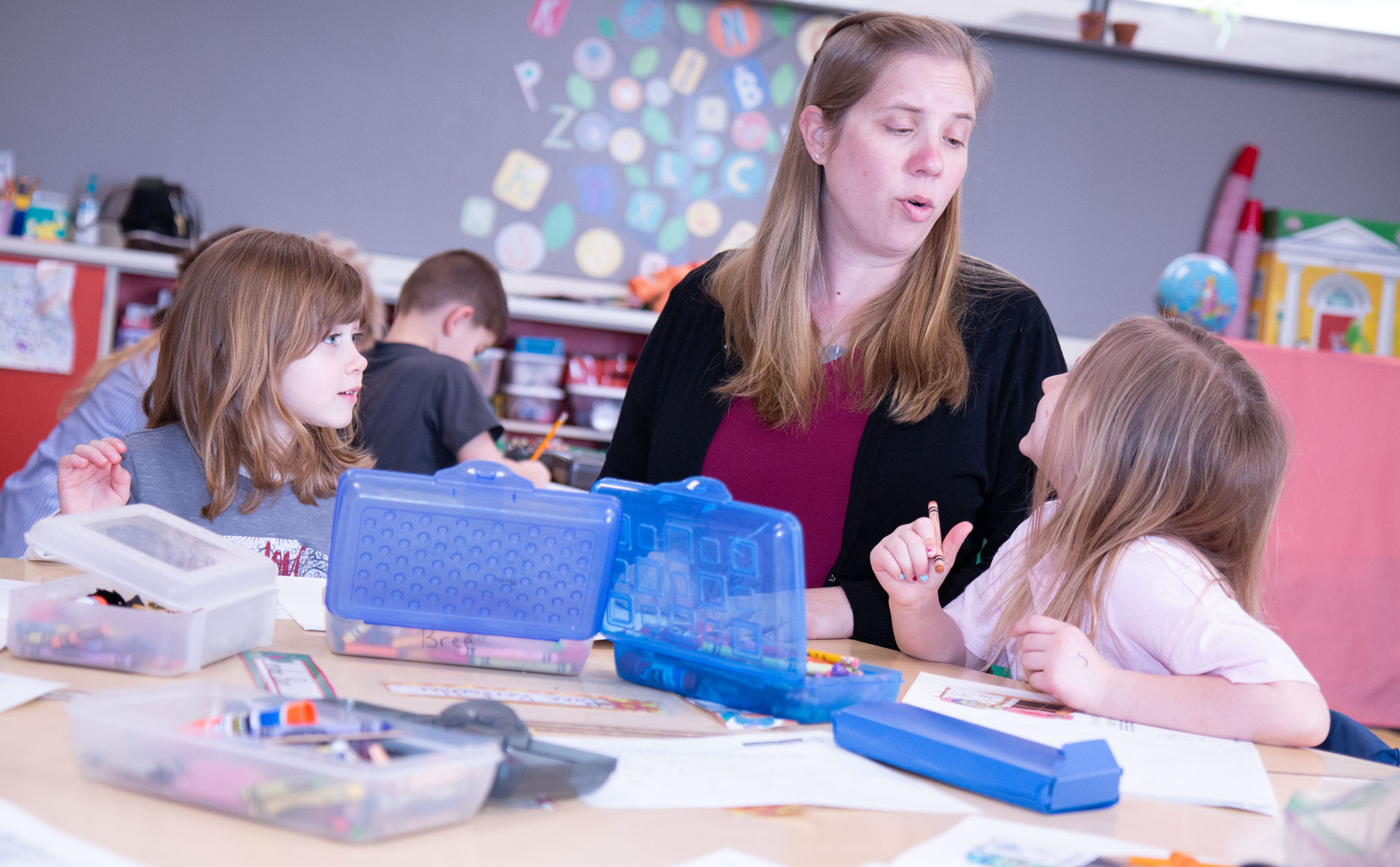
In a brightly lit classroom in northeast Brazil, kindergarteners and their teachers gather for their daily circle time on the carpet. However, today is different. The children are joined by a group of visitors from Nebraska, many of whom don’t speak Portuguese.Full Article
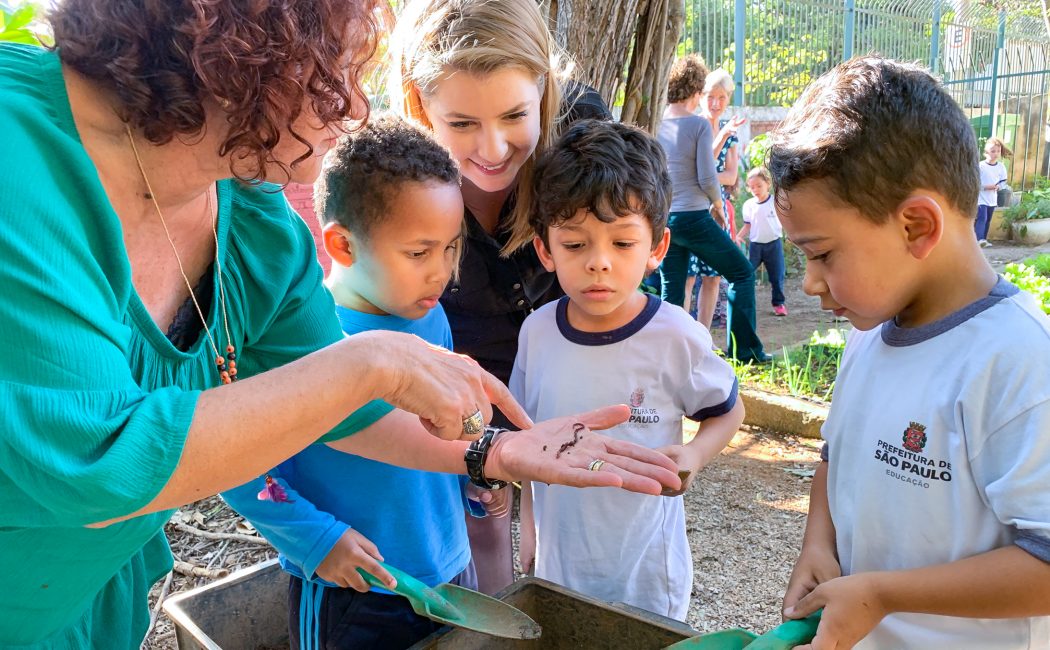
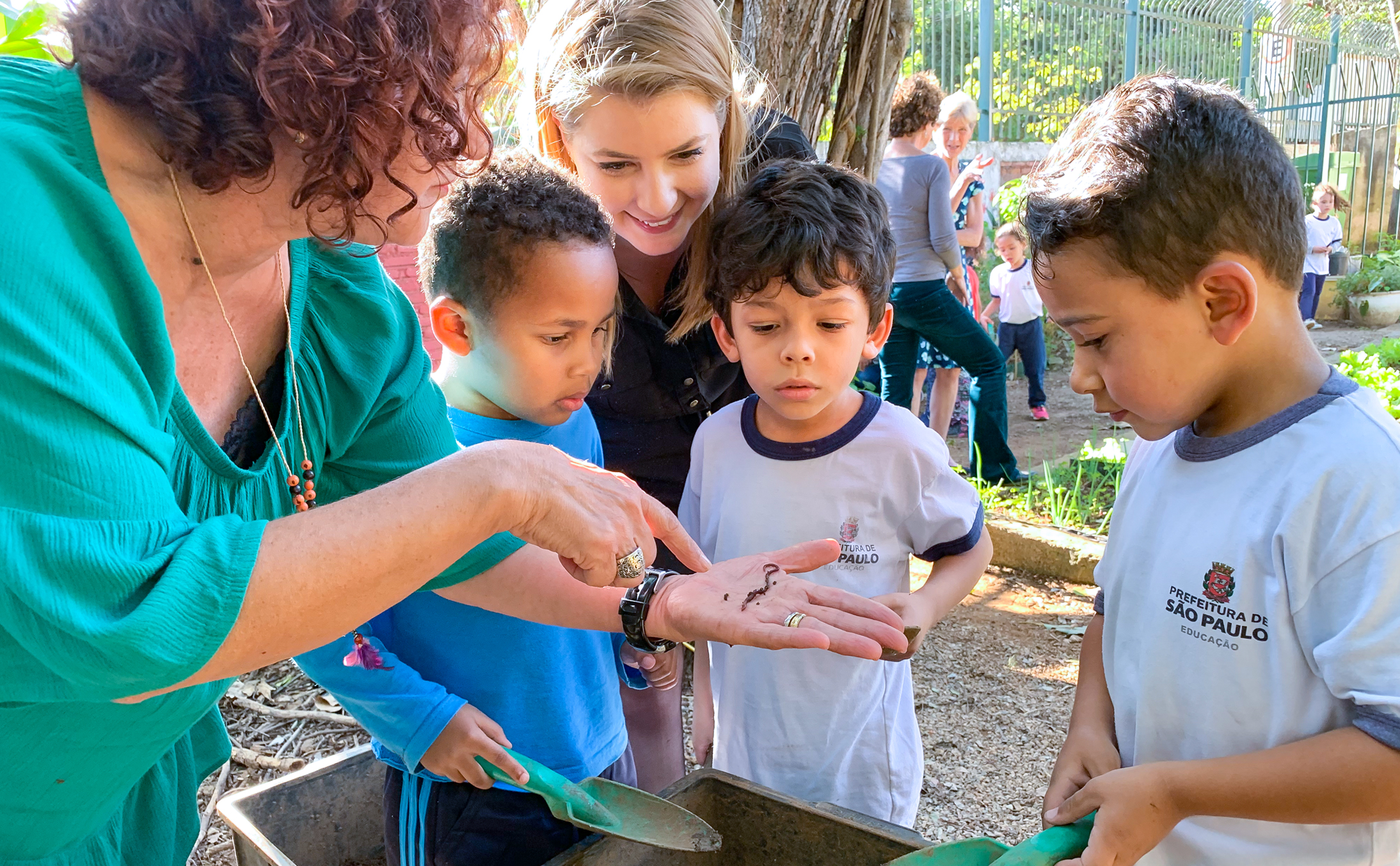
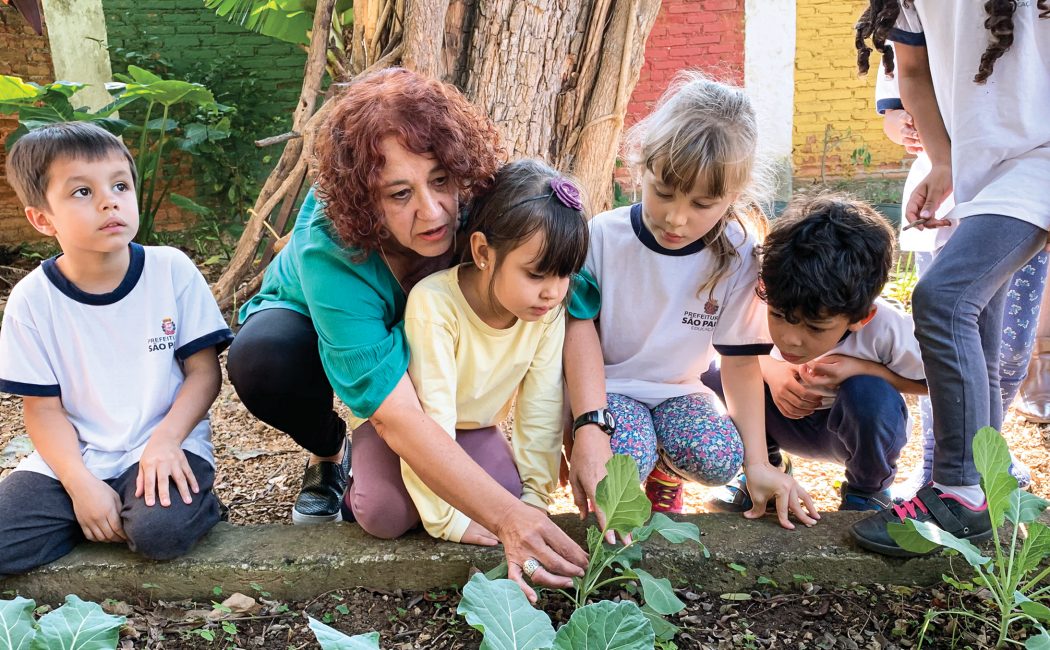
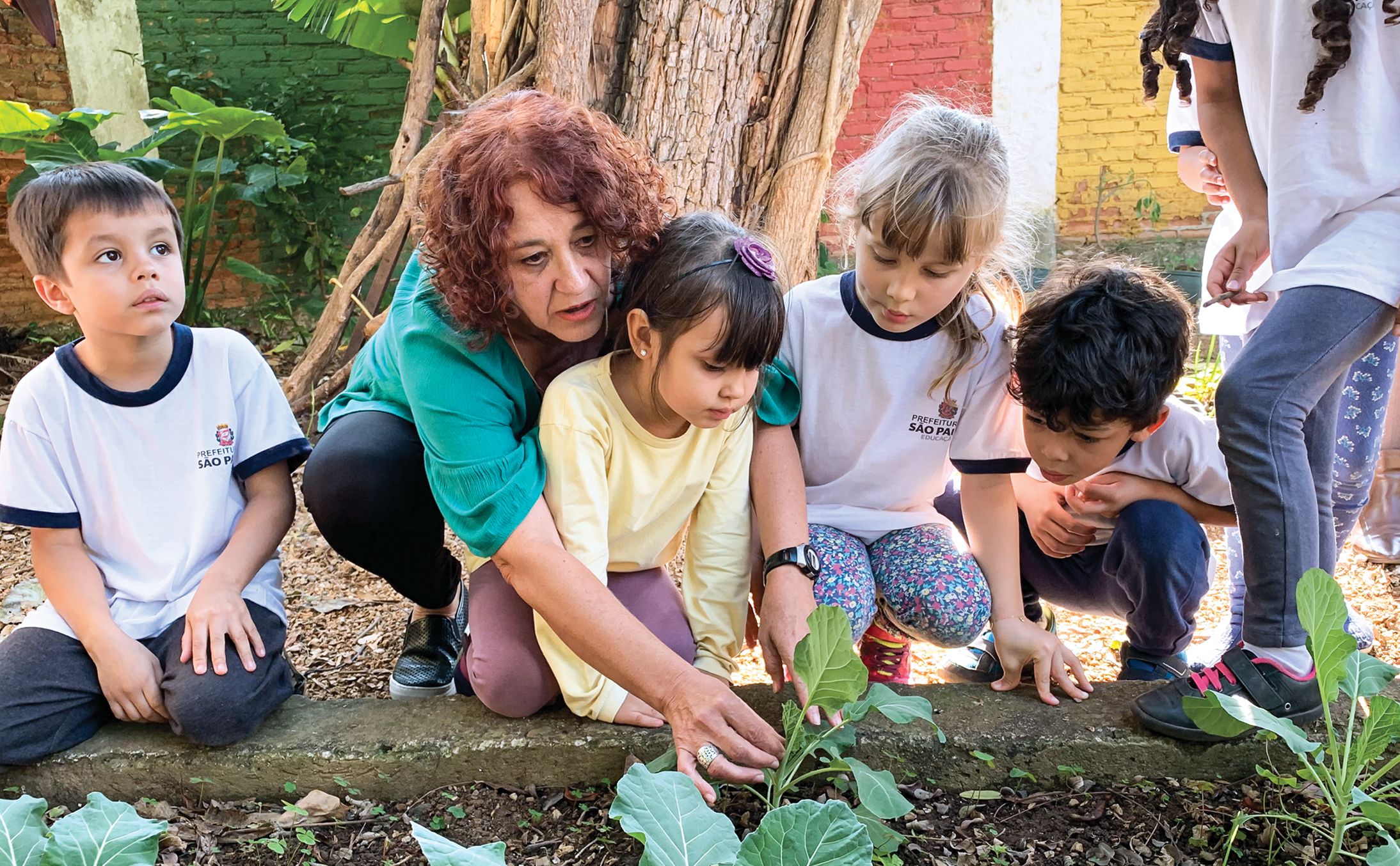
Children and their teacher, Elizinete Natália Queiroz de Araújo Souza, second from left, examine the garden at EMEI Ignacio in São Paulo, one of the preschools engaged in PreSTAR. See gallery.
While there are distinct differences between the U.S. and Brazil, there are even more things the two countries have in common. In particular, a desire to ensure all children have the opportunity to reach their full potential guides the work of early childhood educators, researchers and other professionals in both parts of the world.Full Article
Nebraska researchers are working on ways to better understand the processes that enable preschool teachers to remain healthy and resilient — and to contribute to the positive development of children in their care. Learn more in the CYFS Research Network.
In a typical preschool classroom with as many as two-dozen children, there are bound to be times of elevated stress for the teacher — and sometimes the students.
Along with meeting the needs of several children, teachers juggle many emotional and physical demands in their daily work, often with limited resources. Following an early childhood curriculum or philosophy, engaging families, maintaining a safe environment and dealing with interpersonal conflicts are just some of their daily classroom tasks.Full Article
For centuries, families have served up good conversation around the dinner table.
Sharing advice, planning events and recounting the day’s highs and lows are key mealtime ingredients to connecting families and building support systems — all while cooking up valuable learning opportunities for the youngest family members.Full Article
Lisa Knoche, CYFS research associate professor and principal investigator of the Getting Ready Preschool Development Grant. Learn more in the CYFS Research Network.
For the past 15 years, the Getting Ready research program has helped enhance school readiness for children age 5 and younger by bringing evidence-based parent engagement strategies to early childhood programs throughout Nebraska.
Thanks to additional, recent funding from the U.S. Department of Health and Human Services’ Preschool Development Grant, Nebraska researchers will move those strategies into practice.Full Article
Marc Goodrich and Natalie Koziol are exploring ways to identify and control selection bias in evaluations of differential item functioning. Learn more in the CYFS Research Network.
As demand increases for employees with expertise in science, technology, engineering and mathematics, representation of Latinos in STEM fields continues to lag.
As of 2011, Latinos represented only 7 percent of the American STEM workforce, despite accounting for more than 16 percent of the U.S. population.Full Article
Dr. Hiro Yoshikawa, community and developmental psychologist and professor at New York University Steinhardt, discusses global child development issues Sept. 26 at UNMC.
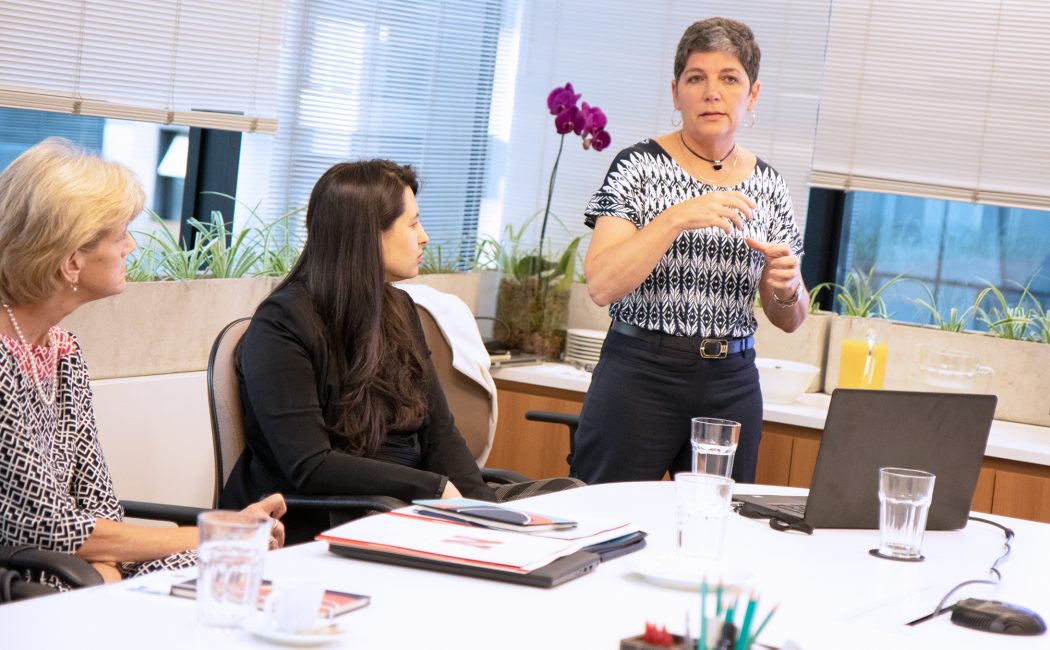
The first NAECR Networking event of the fall semester was Sept. 26 at the University of Nebraska Medical Center in Omaha. More than 40 attended in person and via Zoom video conferencing to hear a presentation about global child development by Dr. Hiro Yoshikawa.Full Article
Rachel Schumacher, fifth-year doctoral student in school psychology, is examining children’s responses to their transitions into school.
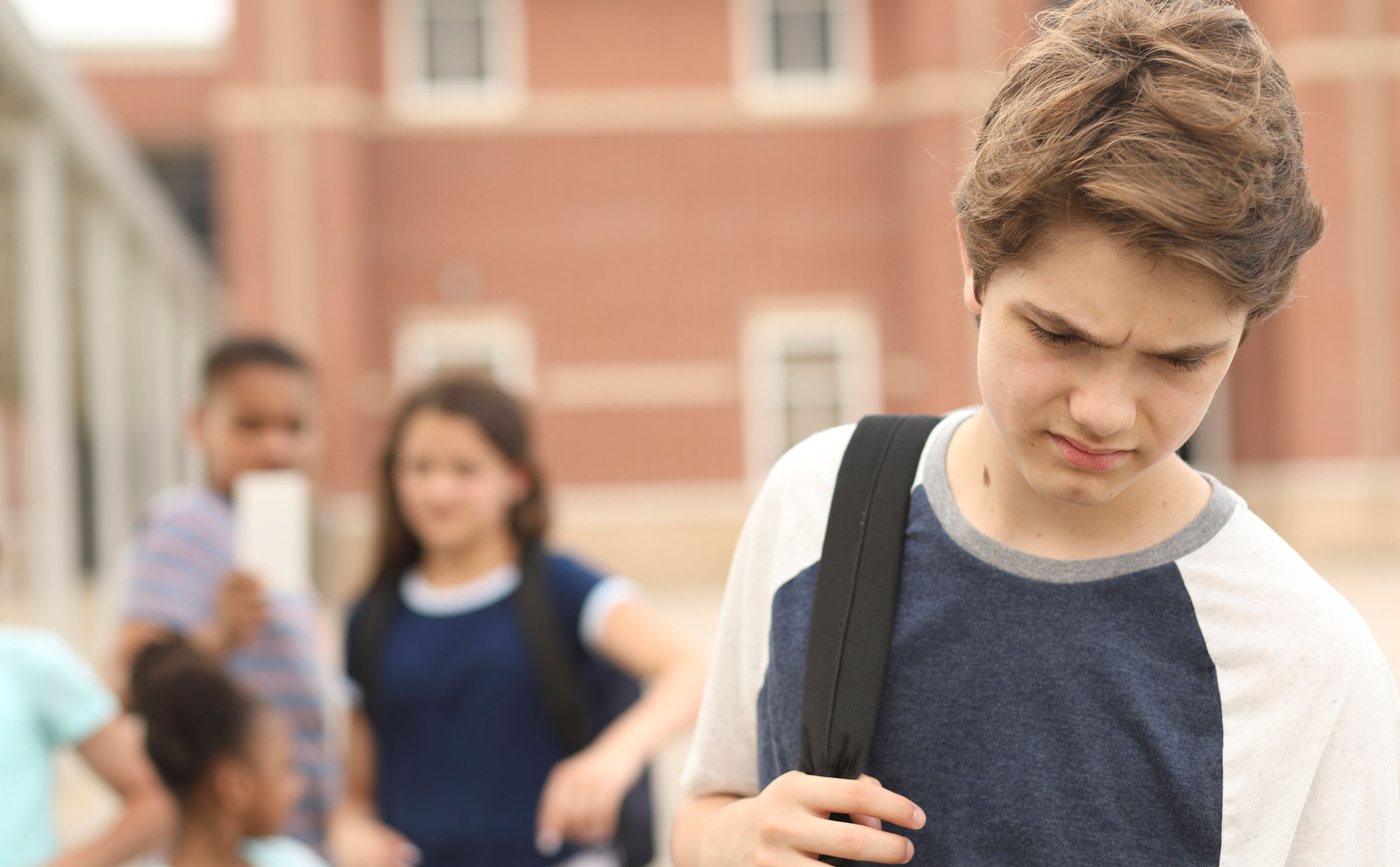
Many children growing up in disadvantage enter school without the requisite social, emotional and behavioral skills to be successful. When those children start off behind, they have a difficult time catching up to more successful students.
Because a child’s early school experiences are predictive of their long-term educational trajectory, starting school socially and behaviorally ready is crucial. Otherwise, long-term detrimental outcomes and widening gaps in academic and social success may follow.Full Article