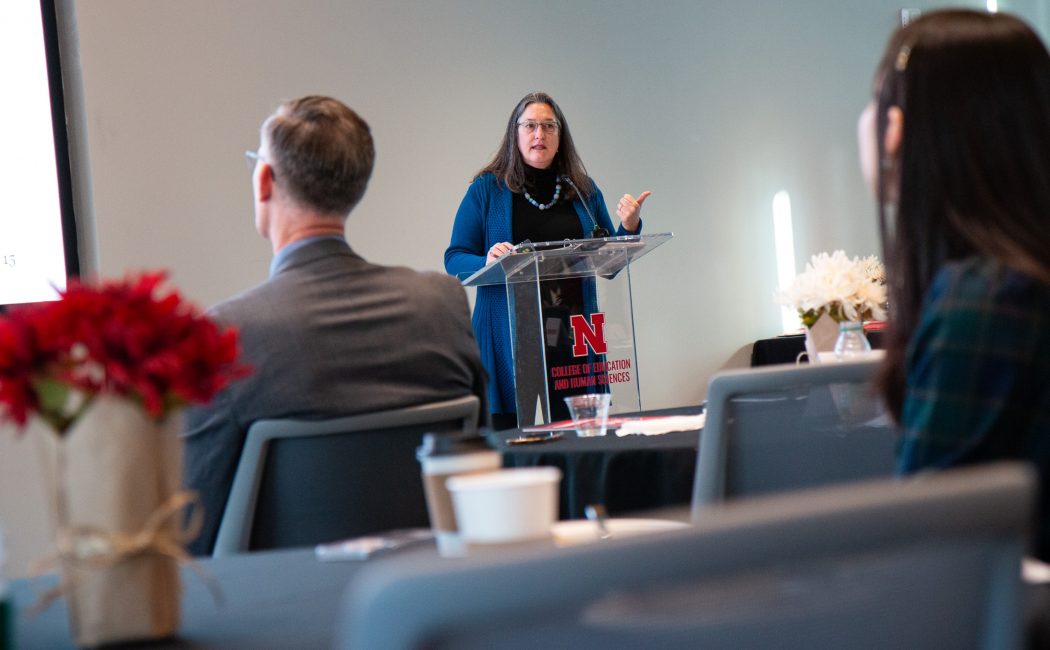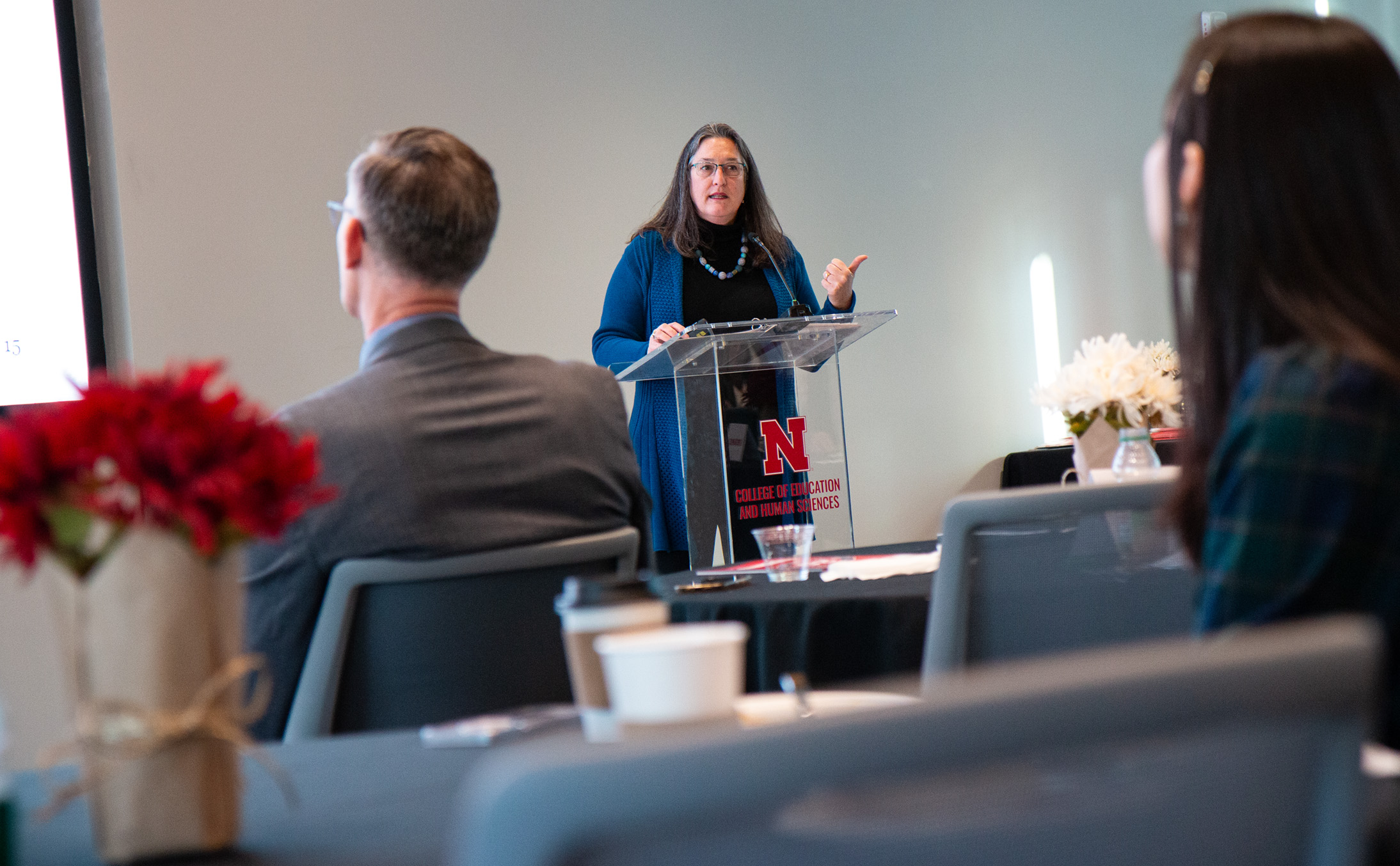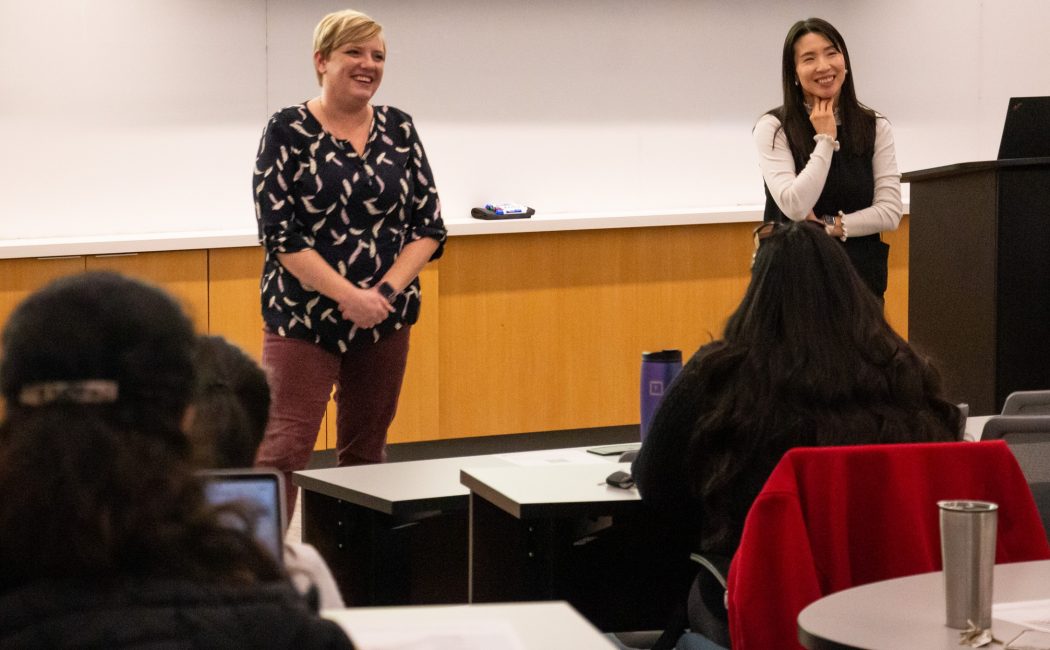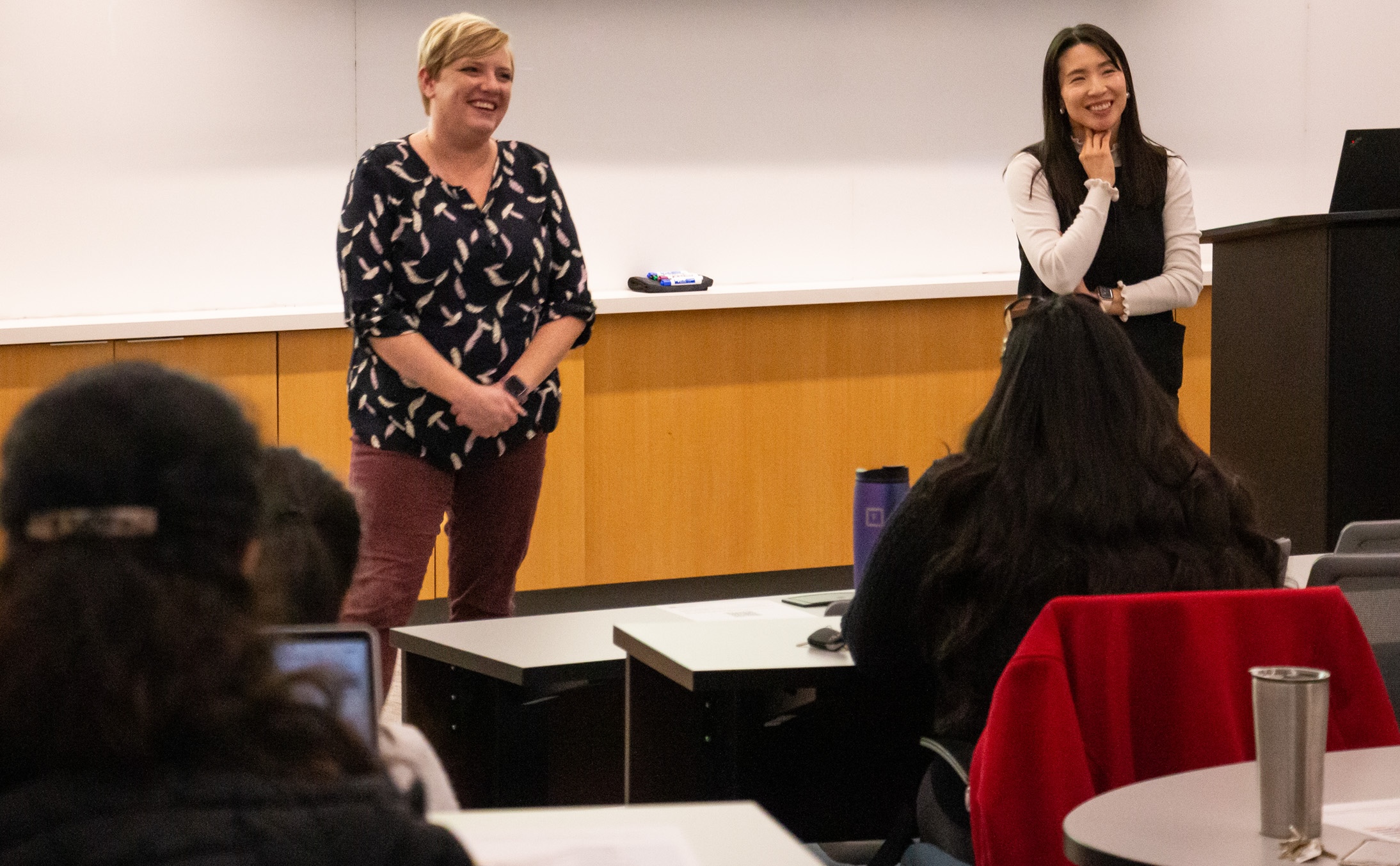
Lorey Wheeler, MAP Academy director, led the first presentation of the 2024-25 Methodology Applications Series Oct. 4 at Carolyn Pope Edwards Hall.
Video is now available of Wheeler’s presentation, “Developing a Strong Research Data Infrastructure.”
Lorey Wheeler, MAP Academy director, led the first presentation of the 2024-25 Methodology Applications Series Oct. 4 at Carolyn Pope Edwards Hall.
Video is now available of Wheeler’s presentation, “Developing a Strong Research Data Infrastructure.”
Living in Nebraska is often referred to as “the good life” by many of the state’s nearly 2 million residents. But according to a recent review of family needs across the state, that “good life” is more accessible to some than others.
An examination of local, state and national databases by University of Nebraska–Lincoln researchers underscores the need to strengthen support for families as a key step toward achieving the state’s economic goals. Their analysis found Nebraska families becoming more diverse and complex, due largely to changes in the demographic makeup of the state’s population in recent decades.

For 20 years, the Nebraska Center for Research on Children, Youth, Families and Schools has been committed to one core mission: Make a positive difference in people’s lives through research in the social, behavioral and educational sciences.
There will be a special event Nov. 19 to celebrate CYFS’ 20th anniversary and recognize the vibrant, interdisciplinary research community that has contributed to the center’s mission since its founding in 2004.
The journey from detention to diploma is a challenging one for students transitioning from expulsion or the juvenile justice system to the classroom.
More than 25,000 youth reside in detention facilities on any given day in the United States. About two-thirds of those youth do not successfully re-engage with school upon their release, due to the lack of effective transition supports.

The MAP Academy’s 2024-25 Methodology Application Series: Supporting and Leveraging Robust Research Data Systems kicks off Oct. 4 with a presentation by Lorey Wheeler, MAP Academy director.
The presentation, titled “Developing a Strong Research Data Infrastructure,” will be from noon to 1:30 p.m. at Carolyn Pope Edwards Hall, Room 312.
A few years ago, Michelle Hughes, an audiologist and professor of special education and communication disorders, came across a journal article about an individual who experienced a drug overdose and ended up with sudden hearing loss.
Then she found more articles featuring similar stories. She was fascinated.
A new funding opportunity is available to support faculty engaged in field-based human subjects research.
The MAP Academy invites interdisciplinary faculty across all campuses to submit proposals for the Applied Analytics and Data Infrastructure (AADI) Catalyst Program — an initiative to support the rigor of high-quality, field-based human research at the University of Nebraska. The program launched last fiscal year and is made possible through a grant from the Nebraska Research Initiative.
Public opinion toward poverty in the United States — and financial assistance from the government — is divided.
According to research, many Americans support federal spending on assistance to the poor, but not federal spending on welfare.
To better understand this disparity, a pilot project led by Jamy Rentschler, MAP Academy postdoctoral fellow, and Brandi Woodell, UNL graduate and current Assistant Professor at Old Dominion University, are exploring how people determine a person’s deservingness of receiving financial assistance, and the types of assistance they view as acceptable.