News Home

Research aims to strengthen Head Start, Early Head Start educators’ well-being

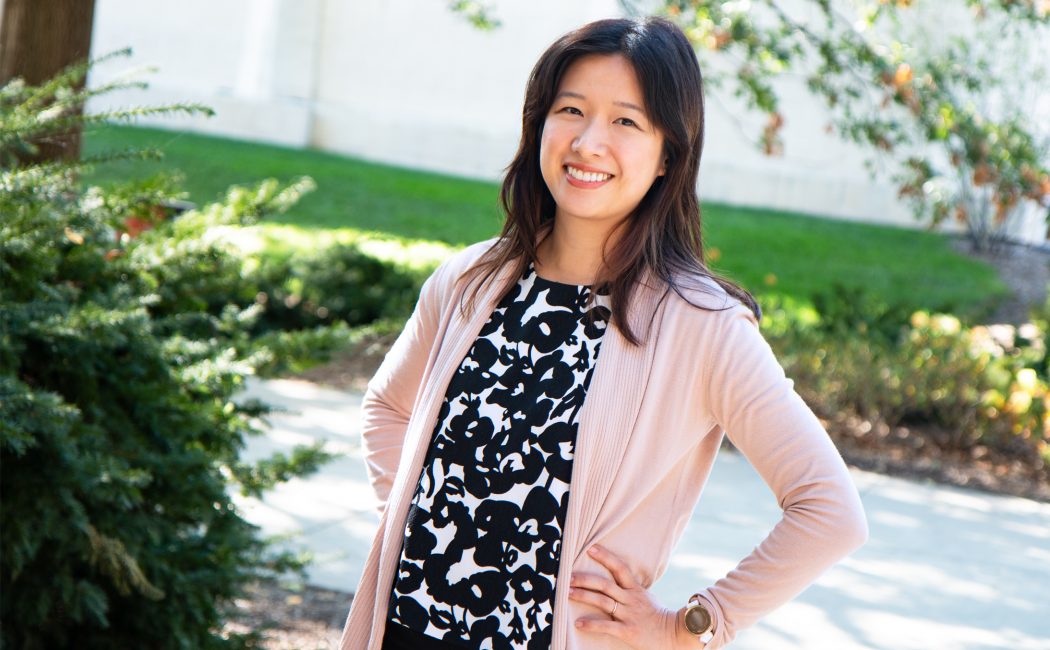
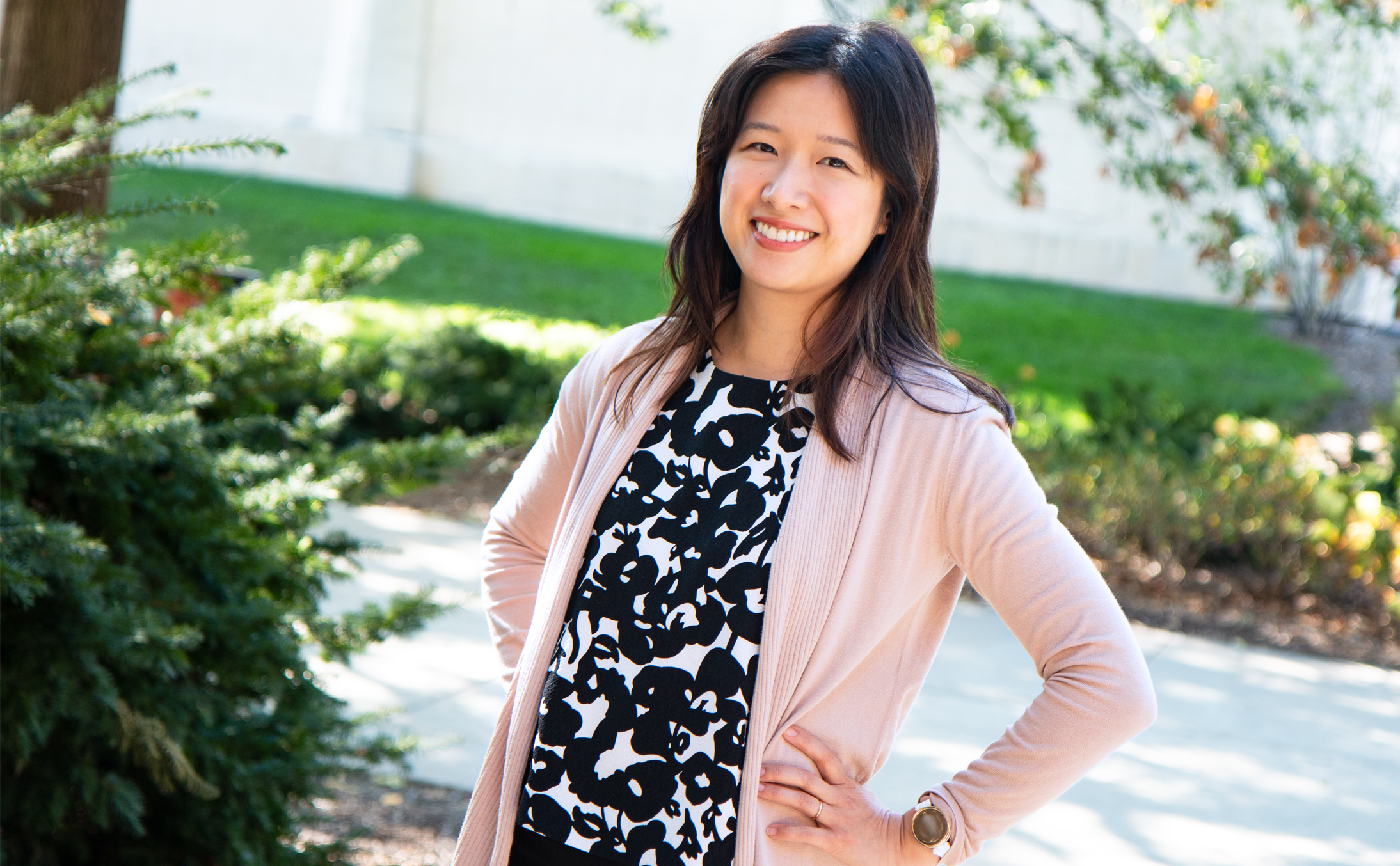
Holly Hatton-Bowers, assistant professor of child, youth and family studies, is leading research to support the well-being of educators in Early Head Start and Head Start programs. Learn more in the CYFS Research Network.

With the pandemic-fueled anxiety of the past year and a half, workplace stress has become more common among much of the workforce.

Even under less-tumultuous conditions, job stress is a big contributor employee turnover. In early childhood settings, turnover can negatively impact educator relationships with children and families, and compromise children’s learning and development. Full Article

Research digesting why children, vegetables don’t always mix

Saima Hasnin, doctoral candidate in the Department of Child, Youth and Family Studies, is leading research to better understand family child care home providers’ preparation and serving of vegetables, and their influence on children’s vegetable consumption. Learn more about this project in the CYFS Research Network.

Early childhood obesity is a major U.S. public health problem, afflicting children from low-income and minority families in rural areas disproportionately with an increased risk for long-term health disparities, according to the Centers for Disease Control and Prevention. Full Article

Research: Family adversity lowers children’s social-emotional skills

Research suggests preschool children with increased exposure to family adversity exhibit lower social-emotional skills than their peers.

Strong social-emotional skills have been found to impact children’s development and later success.

Research also shows children exposed to adverse experiences — maternal depression, poverty, parental substance use, physical abuse and neglect — are at risk for having lower social-emotional functioning compared to their peers. Full Article

Findings highlight program’s success in reducing, preventing sexual violence among Native American girls

Students listen intently during an IMpower training session on a Native American reservation in South Dakota. (Photo courtesy of Brooke Duthie Photography)

Katie Edwards, a leading researcher on interpersonal violence at the University of Nebraska–Lincoln, co-authored two recently published papers on the impacts of a sexual violence prevention program aimed at empowering Native American adolescent girls. Full Article

Brazil research empowers vulnerable families, communities amid COVID-19 crisis

Cody Hollist, associate professor of child, youth and family studies, is part of a team of researchers working to improve educational outcomes for children and youth living in Brazil.

Efforts to help vulnerable communities is most effective when it actively engages community members, agencies and other stakeholders in solving complex social problems.

In many parts of Brazil, communities must find their own ways to address the needs of children and families with limited resources. Those needs have intensified since early 2020, as COVID-19 quickly spread throughout the country. Full Article

Edwards honored by American Society of Criminology for community-engaged research

From left, Katie Edwards, associate professor, CYFS and educational psychology; Lee Paiva, founder of No Means No Worldwide and IMpower United; and Ramona Herrington, Lakota Elder and activist, on a South Dakota reservation. (Photo courtesy of Katie Edwards.)

Nebraska researcher Katie Edwards has been honored by the American Society of Criminology for her community-engaged research with Native American communities.

Edwards, associate professor, CYFS and educational psychology, is this year’s winner of the ASC’s Division on Women and Crime Community Engaged Scholar Award, presented annually to a leader in teaching, outreach or scholarship initiatives defined by innovative community engagement in criminology or a closely associated discipline. Full Article

Researchers gathering eye-opening data to help ensure adequate sleep among agricultural workers

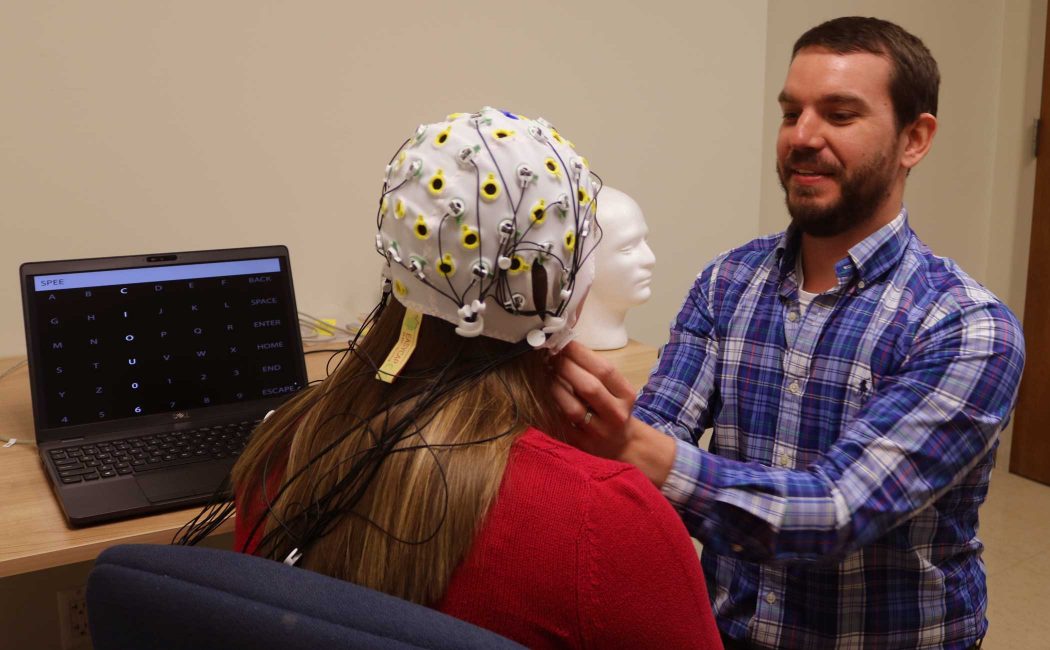
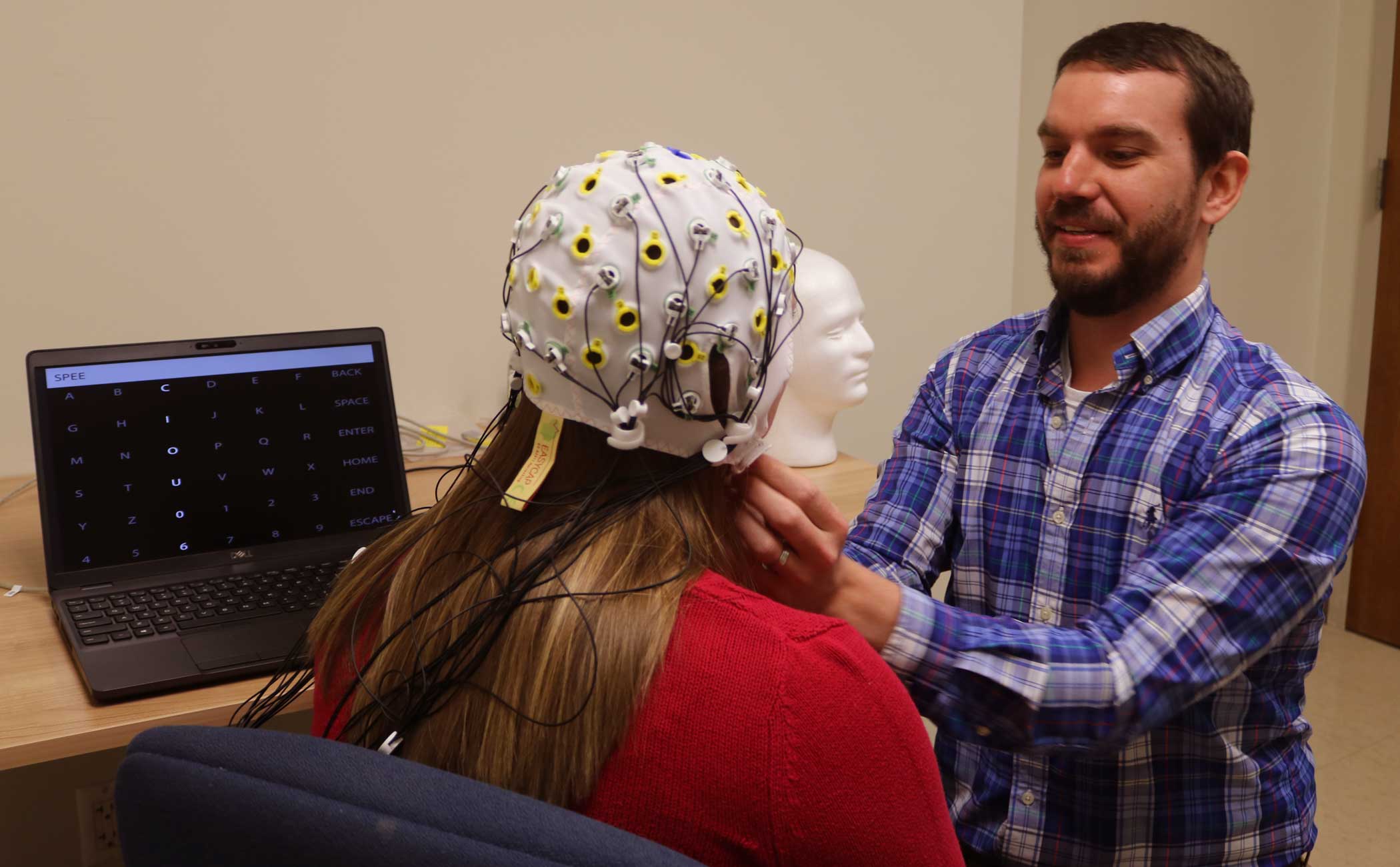
Researchers are collecting sleep data from Midwestern agricultural workers to investigate the quantity and quality of sleep among farmers and ranchers during peak and non-peak seasons. Learn more in the CYFS Research Network.

As anyone who has ever experienced insomnia knows, the lack of a good night’s sleep can make for a difficult morning.

According to the American Academy of Sleep Medicine, side effects of sleep deprivation include lack of concentration, attention deficits, longer reaction times, distractibility, lack of coordination, poor decision-making, increased errors and forgetfulness. Full Article

TAPP Online brings enhanced support to rural students, families and schools

CYFS researchers are working to identify an effective professional development approach to prepare school-based specialists to implement the Teachers and Parents as Partners (TAPP) intervention to address behavioral challenges presented by rural students. Learn more about this project in the CYFS Research Network.

Research shows rural students are experiencing social-behavioral and mental health challenges at unprecedented rates, placing them at risk for long-term negative outcomes.

With the effectiveness of family-school interventions in addressing social-behavioral and mental health needs at both school and home — especially in rural settings — professional development of rural practitioners is a priority. Full Article